
Helical Pier Systems Built for Alabama’s Shifting Ground
In Alabama, the ground has a mind of its own. Expansive clay swells when it’s wet, shrinks when it’s dry, and over time, that movement shows up as cracks, sloping floors, and sticking doors. Helical pier systems anchor your foundation to stable soil below the problem layer, restoring strength where it counts.
BDry Alabama installs deep foundation solutions that go beyond surface-level fixes. Locally owned and backed by 65+ years of brand experience, we serve 500+ homeowners each year and maintain a 4.8-star Google rating. With financing options and strong warranties available, you get straight answers and structural repairs built to last.
Benefits of Helical Pier Systems That Go Deeper Than the Surface
Helical piers provide durable support with quick installs and dependable results across challenging ground conditions.
Signs You May Need Helical Pier Systems
Foundation movement often shows up in small ways first, including some subtle shifts that get worse with time. If your home or commercial building sits on Alabama’s clay soils, these are the red flags worth paying attention to.
When these signs appear, our team will come in and inspect the foundation, identify the depth of stable load-bearing soil, and install helical pier systems engineered to anchor the structure securely. Installation is precise, controlled, and immediately load-bearing. Homeowners can expect a clear assessment and structural repairs built for long-term stability rather than temporary fixes.
Answering Your Questions About Helical Pier Systems
Helical pier systems are a proven deep foundation solution, but most property owners have questions before moving forward. Below are straightforward answers based on real-world foundation repair experience across Alabama’s shifting soils.
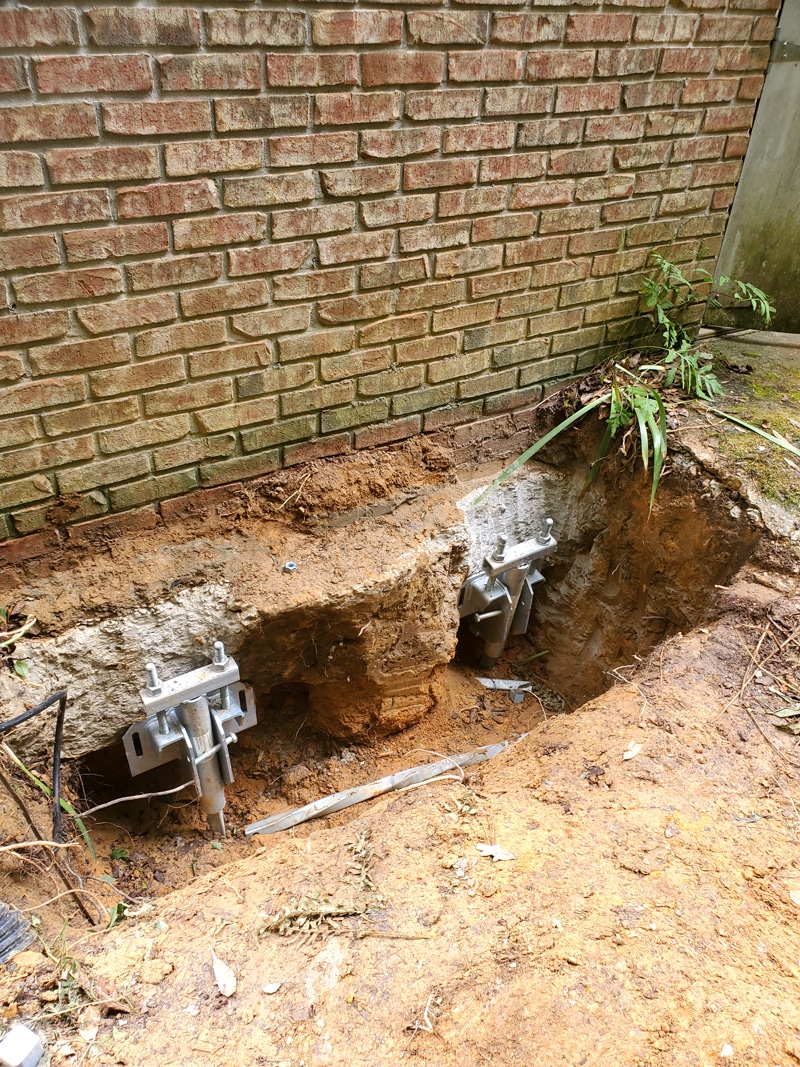
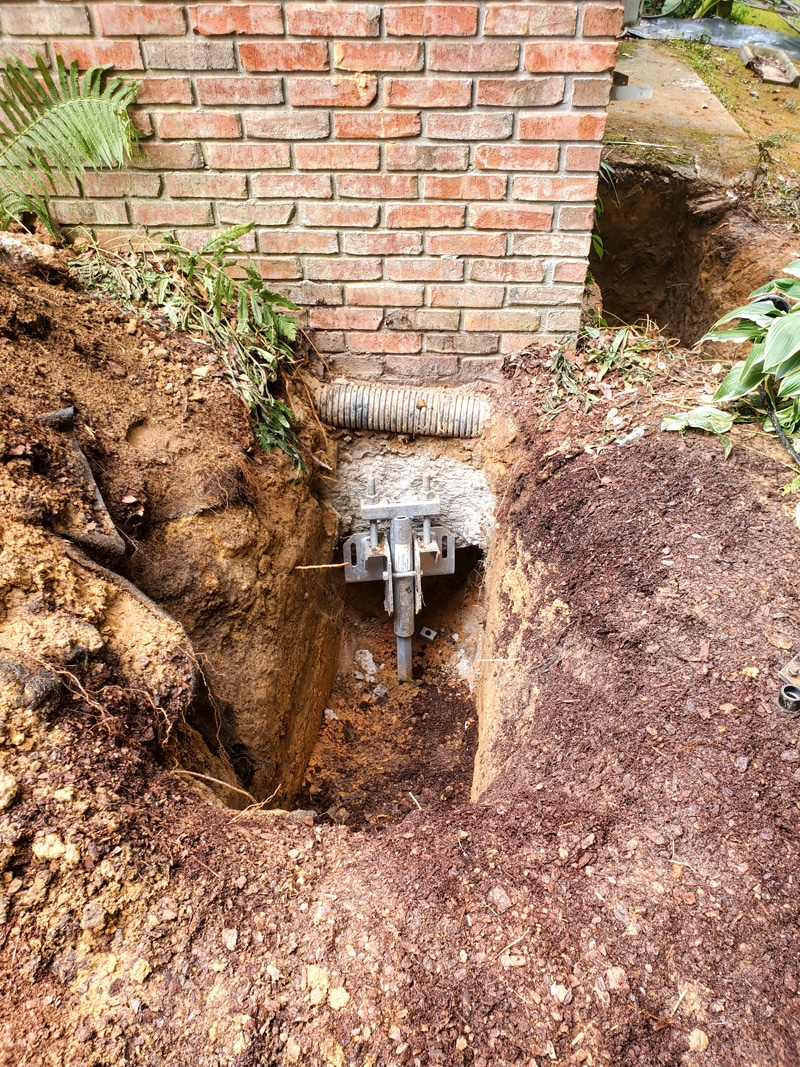
Helical pier systems use steel shafts with helical plates that are mechanically advanced into the ground until they reach stable, load-bearing soil. Once installed, they transfer the weight of the structure past weak or expansive clay layers and into competent strata below.
After placement, the piers are attached to the foundation footing and can often lift settled areas back toward their original position. Because they are torque-installed, their capacity is verified during installation, not guessed after the fact.
Most residential helical pier installations are completed within a few days, depending on the number of piers required and site access. The process is efficient and does not involve massive excavation.
One major advantage is that helical piers can be loaded immediately after installation. That means stabilization begins right away, and the surrounding landscape typically sees far less disruption compared to traditional deep foundation methods.
Not at all. Helical pier systems are used for both existing structures and new construction, especially in areas with weak or shifting soil conditions.
They are commonly installed for:
- Settling residential foundations
- Commercial building stabilization
- Additions and new construction support
- Decks, porches, and light structural elements
Whether the structure is decades old or brand new, unstable soil does not discriminate. The key is anchoring to stable ground before movement causes greater structural damage.
Installation is controlled and targeted. Equipment is positioned near affected foundation areas, and each pier is advanced vertically with minimal excavation required.
Unlike large-scale dig-outs, helical pier systems do not require removing large sections of soil to reach deep bearing layers. Most properties see limited disturbance, and cleanup is part of the process.
The right solution depends on soil conditions, foundation type, and the extent of movement. A professional inspection evaluates structural symptoms and determines how deep stable soil sits beneath your property.
During an evaluation, technicians typically review:
- Visible structural cracking
- Elevation measurements across the foundation
- Soil conditions around the structure
- Load requirements for the building
From there, you receive a clear explanation of the findings and a repair plan grounded in structural data. This is a foundation repair approach that truly addresses the real cause of settlement.