
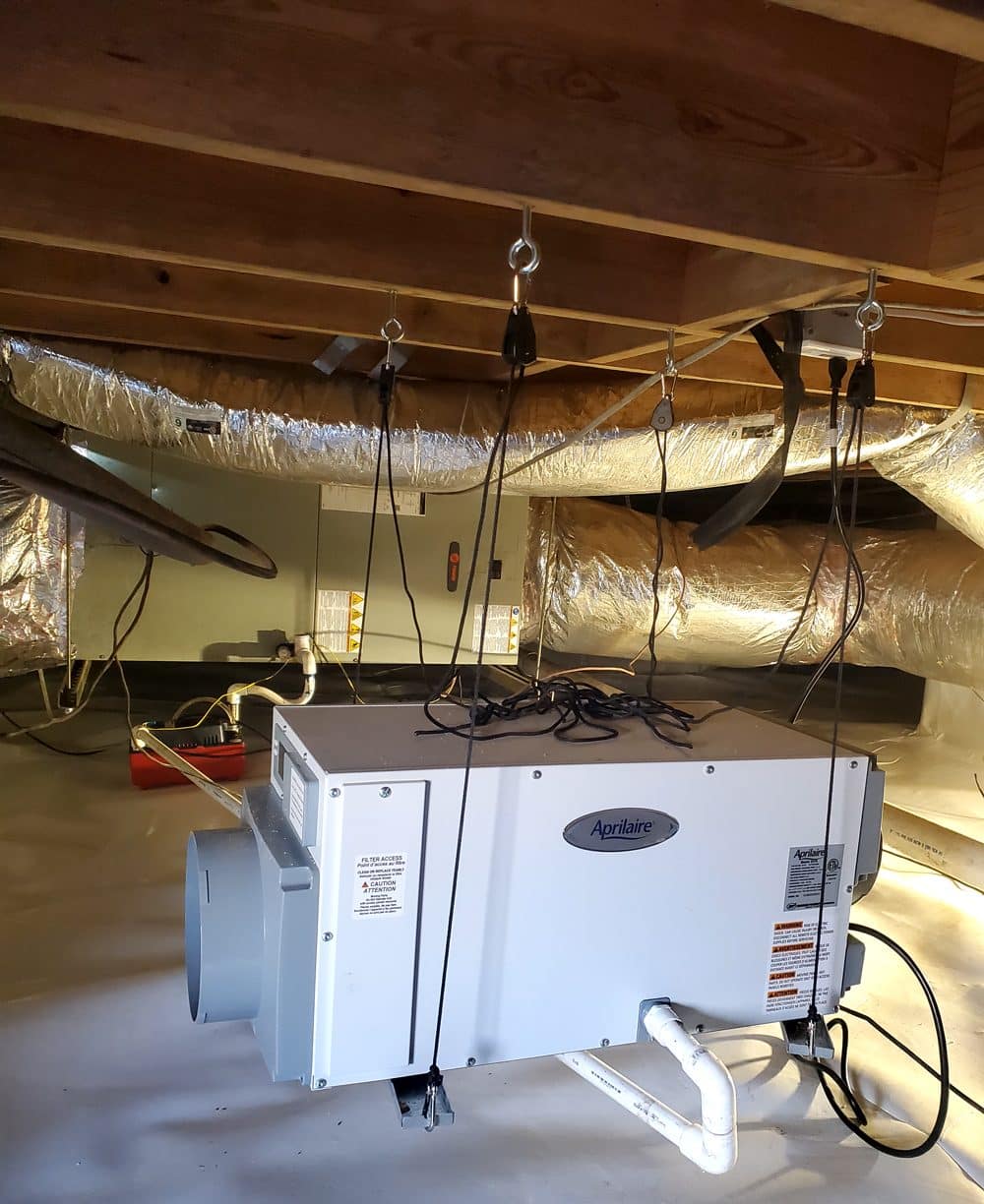
Dehumidification Systems Built for Alabama Moisture
That damp, heavy air in a basement or crawl space usually is not your imagination. Dehumidification helps pull excess moisture out of the air so the space feels drier, more comfortable, and less likely to stay stuck in that always a little clammy zone.
BDry Alabama installs dehumidification solutions that support long-term moisture management below your home. We are locally owned, backed by a brand with 65+ years of experience, and we help 500+ homeowners every year. With a 4.8-star Google rating, financing available, and strong warranties, you will get straightforward recommendations and clean next steps.
The Difference Between Temporary Drying & Ongoing Dehumidification
A fan can help for a day, and opening things up can make the space feel better for a little while, but those quick fixes do not remove much moisture from the air. If humidity stays high, the damp feeling usually returns, especially in basements and crawl spaces.
Temporary drying usually looks like:
The key is consistency. Ongoing dehumidification pulls excess moisture out of the air day after day, helping the space stay more comfortable instead of swinging back and forth.
Dehumidification FAQs for Alabama Homeowners
Dehumidification is often the missing piece when spaces stay damp despite other fixes. These FAQs cover the questions Alabama homeowners ask most about dehumidification, including how it works, when it makes sense, and what to expect when you schedule an inspection and talk through next steps.
A dehumidifier pulls excess moisture out of the air, which helps a basement or crawl space feel less damp and heavy. It is designed to lower humidity and keep it from climbing back up every time outdoor conditions change.
By keeping humidity in a healthier range, dehumidification supports a more comfortable home environment. It can also help reduce that clammy feeling on surfaces and make the space easier to manage over time.
Dehumidification is a good fit when the main issue is damp, humid air instead of active water entry. It helps most when the space feels uncomfortable, even when floors are dry.
- The air feels heavy, sticky, or damp
- Musty odors keep returning
- Condensation forms on ducts or pipes
- The space stays humid long after the rain
- You want steadier humidity levels year-round
The key is confirming what is driving the moisture in your space. Once that is clear, dehumidification can be an effective part of a long-term plan.
Portable dehumidifiers are usually designed for finished rooms and short-term use. They can help temporarily, but they are not always built for the size, conditions, and long run times common in basements and crawl spaces.
Basement and crawl space systems are designed for below-home environments and more consistent performance. They are typically sized for the space and intended to keep humidity controlled over time, not just provide occasional relief.
A dehumidification inspection focuses on understanding the space, how humid it stays, and what is contributing to the moisture. The goal is to recommend a solution that fits your home, not a one-size setup.
- Review how the space feels and when dampness shows up
- Measure humidity levels and look for moisture patterns
- Check airflow, vents, and common condensation points
- Discuss placement options for a dehumidifier system
- Walk through recommendations and next steps
After the inspection, you will have a clear plan for reducing humidity and keeping the space more comfortable.
Sizing depends on the layout of the space and how much moisture it holds. A larger basement, a crawl space with exposed soil, or an area that stays humid most of the year may need more capacity than a smaller, drier space.
The goal is to choose a system that can keep humidity steady without constantly struggling to catch up. During an inspection, measuring humidity levels and understanding the space help determine the right fit so the solution works reliably in the long term.
When a basement or crawl space stays damp, it usually takes more than a fan to fix it. Dehumidification helps pull excess moisture out of the air so the space feels drier and more comfortable over time. You will get clear guidance, simple next steps, and help from a locally owned team Alabama homeowners trust.