
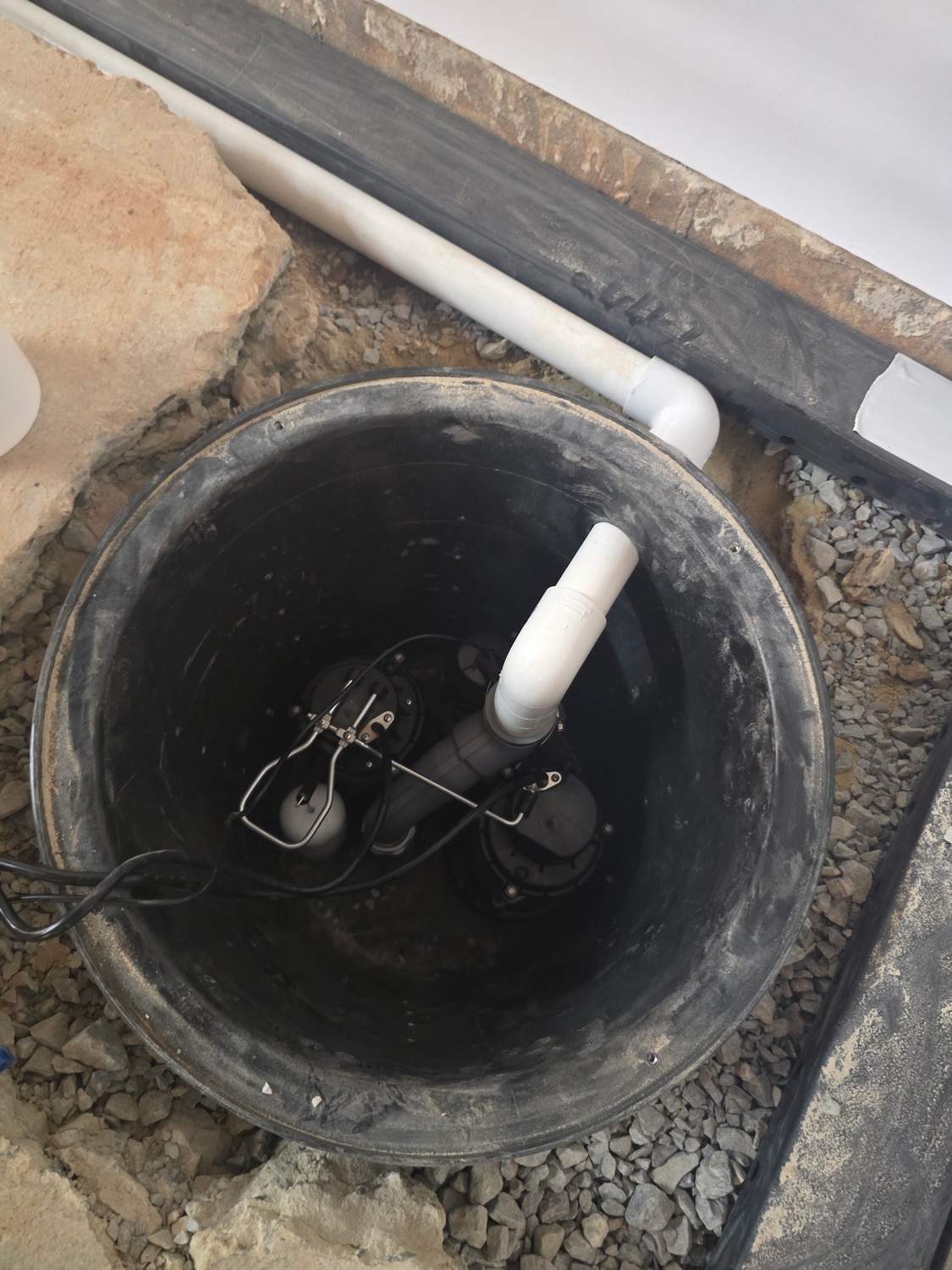
Sump Pump Installation That Alabama Basements Depend On
When water starts showing up where it doesn’t belong, you need a reliable way to move it out, fast. A properly installed sump pump gives your basement a clear exit plan by collecting groundwater and pumping it away from the home before it turns into a bigger mess. BDry Alabama helps homeowners across Central and North Alabama choose the right setup and install it the right way, with a plan that’s easy to understand and built for long-term protection.
With over 65 years in business, helping 500+ homes every year, and a 4.8-star Google rating, BDry Alabama brings the kind of steady experience homeowners want when water is involved. We begin with a detailed inspection, explain our findings in plain language, and recommend a sump pump setup tailored to your basement and the source of water infiltration.
Sump Pump Features
A sump pump provides a clear path for water to escape before it spreads across the floor or lingers in the air. It collects groundwater at a low point, automatically turns on when levels rise, and safely pushes water away from the home. The right installation protects storage, finished areas, and the foundation space, while making the whole basement feel more comfortable and under control.
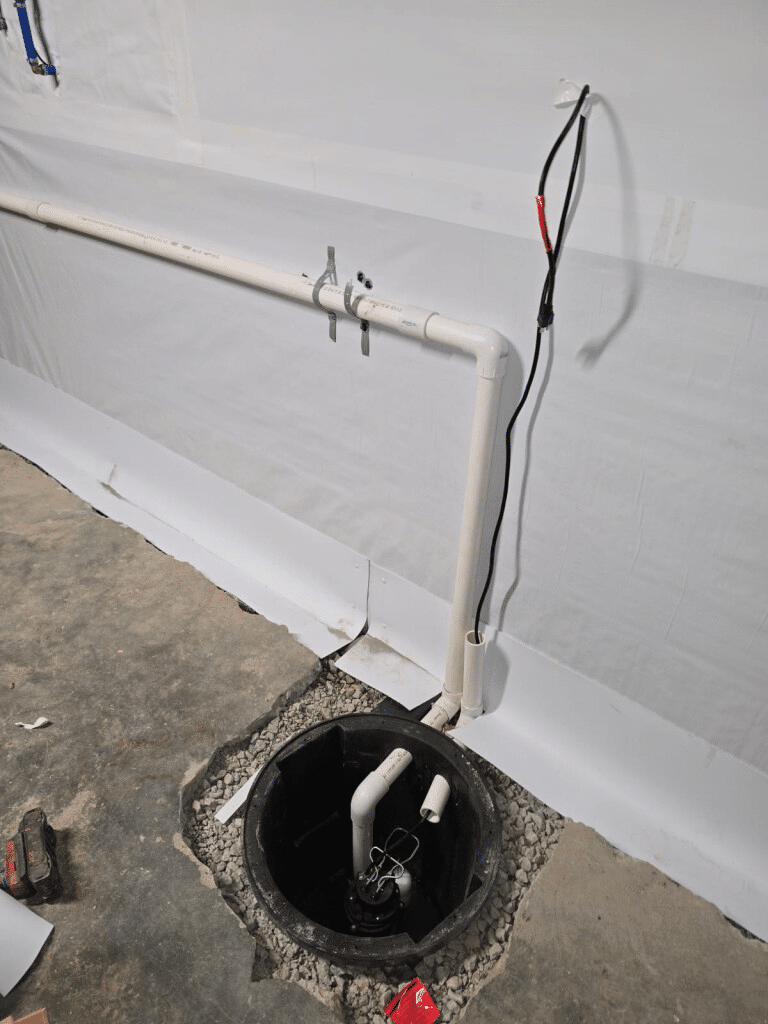
What Is a Sump Pump?
A sump pump is a basement protection system that gives water a clear way out. It sits in a sump pit at a low point in the basement or foundation area, collects groundwater as it rises, and turns on automatically to pump that water safely away from the home.
It’s especially helpful when water shows up after heavy rain, when the ground stays saturated, or when seepage tends to return in the same spots. Instead of letting water spread across the floor or linger as dampness, a sump pump helps keep the space cleaner, drier, and a whole lot easier to live with.
A properly installed sump pump setup helps protect finished areas, storage, and the foundation space while giving homeowners peace of mind when water tries to creep in.
Sump Pump Installation FAQs for Alabama Homeowners
Basement water problems have a way of making everything feel urgent, especially when you’re unsure what’s normal and what’s not. These FAQs address the most common questions homeowners ask about sump pump installation, including how sump pumps work, when they’re recommended, and what to expect during the installation and inspection process.
The right sump pump depends on how much water the basement takes on and how often it happens. Some homes need a standard primary pump, while others benefit from higher-capacity systems designed for heavier water flow.
Other factors include the size of the basement, how quickly water enters, and where the discharge line runs. An inspection helps match the pump to the situation, so it can keep up without overworking or falling short.
A sump pump is often recommended when water keeps showing up in places it shouldn’t. Certain conditions make a pump especially helpful for keeping a basement drier and easier to manage.
- Water seeps in after heavy rain
- Damp spots or puddles keep returning in the same areas
- The basement sits below the water table or ground level
- The soil around the home stays saturated for long periods
- Musty smells linger even when there is no standing water
When one or more of these signs are present, a sump pump can provide a reliable way to control water instead of reacting to it after the fact.
A sump pump sends water out through a discharge line that carries it away from the home to a safer location. Where that water ends up is just as important as removing it from the basement in the first place.
Proper discharge keeps water from cycling right back toward the foundation, which can lead to repeated issues. A well-planned discharge path helps protect the basement, the foundation, and the surrounding soil.
A sump pump works automatically, so you don’t have to babysit it during storms or wet seasons. It activates only when water reaches a certain level.
- Groundwater flows into a sump pit at the lowest point
- Rising water lifts a float or triggers a sensor
- The pump turns on and moves water out through a discharge line
- Once water levels drop, the pump shuts off again
This cycle repeats as needed, helping keep water from spreading across the floor. The result is a basement that feels more predictable, even when the weather isn’t.
A sump pump should be checked regularly so it’s ready the moment water levels rise. Many homeowners test their pump at least once or twice a year, and it is especially smart to do a quick check before the wetter parts of the year, come spring. If your basement tends to take on water more often, checking it more regularly can bring extra peace of mind.
A simple maintenance test can confirm that the pump turns on, the float or sensor moves freely, and water is actually being pushed out through the discharge line. These checkups also help catch common issues early, like a stuck float, a clogged discharge, or a pump that is working harder than it should. Staying ahead of small problems can make a big difference when you need your system to perform without any drama.
Basement water isn’t something you want to keep mopping up and hoping it stays gone. If you notice puddles, damp corners, or water that appears after heavy rain, a sump pump can provide your basement with a reliable way to quickly remove water. With us, you will get clear guidance, simple next steps, and support from a team Alabama homeowners trust.