
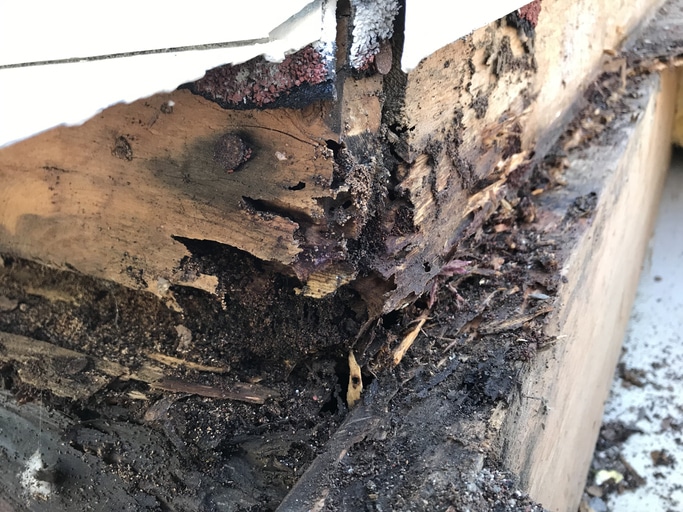
Wood Rot Repair Solutions for Alabama Structures
Wood rot is one of those problems that can start small and quietly get worse over time. When wood stays damp, it can soften and lose strength, which can lead to weak spots under the home and floors that don’t feel as sturdy as they should. Wood rot repair restores strength to affected areas and helps protect the structure from further moisture-related damage.
With 65+ years in business, 500+ homes helped every year, and a 4.8-star Google rating, BDry Alabama is trusted for clear guidance and dependable work. We start with a detailed inspection, explain what we find in plain language, and build a repair plan that fits the structure, whether that means targeted repairs, reinforcement, or pairing the work with moisture control support to help prevent repeat issues.
Wood Rot Repair Features & Services
Wood rot repair should feel clear, dependable, and built to last. These features help BDry Alabama restore strength to moisture-damaged wood, reinforce affected areas, and help protect the structure from repeat issues caused by ongoing damp conditions.
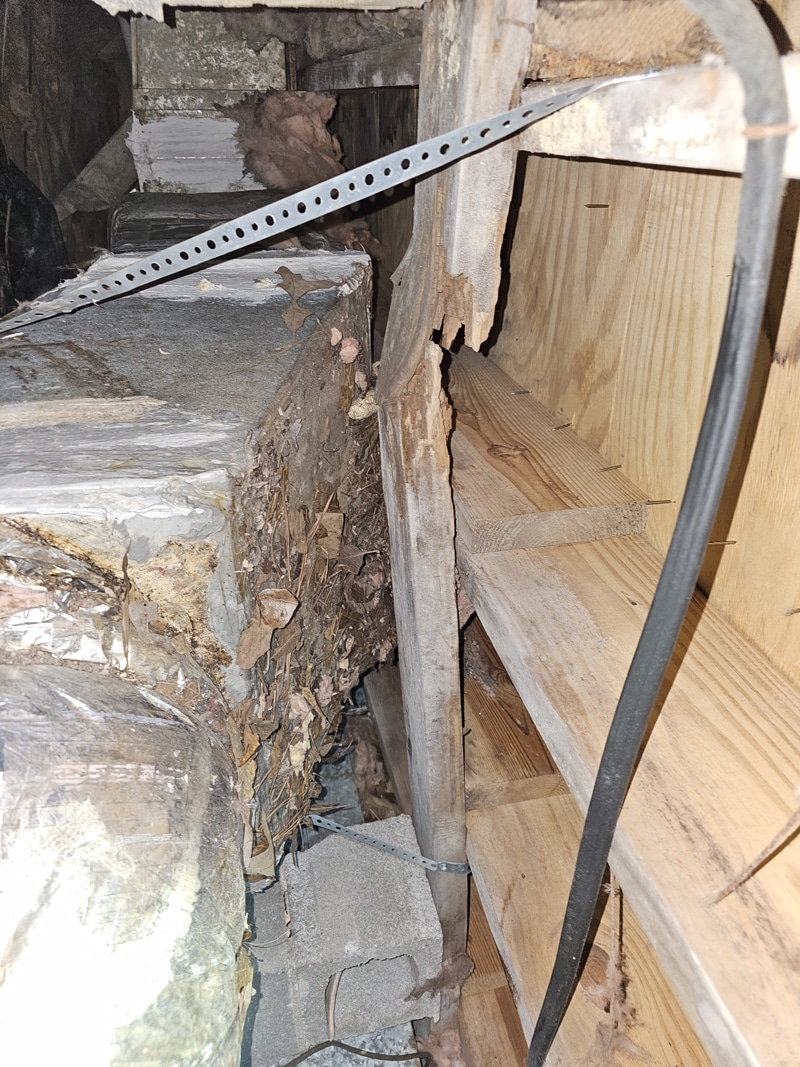
Common Causes of Wood Rot
Wood rot doesn’t usually start with one big event. It builds over time when wood stays damp and can’t dry out. In crawl spaces, especially, moisture can hang around long enough to soften wood and reduce its strength, even when everything above the floors looks totally normal.
Some of the most common causes of wood rot include:
Stopping wood rot starts with identifying what is keeping the area damp. Once the moisture source is addressed, repairs can restore strength and help protect the structure from repeat issues.
Wood Rot Repair FAQs for Alabama Homeowners
Wood rot can be easy to miss at first, until floors feel less sturdy or the crawl space starts giving off that damp, musty smell. These FAQs cover the most common questions homeowners ask about wood rot repair, including what causes wood to weaken, what repairs typically involve, and how to keep moisture from setting up camp under the home again.
Wood rot happens when wood stays damp long enough for decay to begin breaking it down. In crawl spaces, moisture can linger from ground moisture, poor airflow, or water draining toward the foundation, creating the perfect conditions for wood to soften and weaken over time.
Because crawl spaces are out of sight, wood rot often develops quietly. By the time you notice it, the affected wood may already be losing strength, which can impact floors, supports, and how solid the home feels overall.
Wood rot repair focuses on restoring strength while addressing the moisture conditions that caused the problem in the first place.
- Inspecting the crawl space to identify affected wood and moisture sources
- Removing or repairing damaged wood where rot has compromised the strength
- Reinforcing structural components to restore proper support
- Treating or protecting surrounding areas as needed
- Recommending moisture control solutions to prevent repeat issues
Once the repair work is complete, the goal is a crawl space that feels solid again and is better protected from future moisture-related damage.
Wood rot often shows up as darkened, discolored, or stained wood in the crawl space. You might notice areas that look warped, cracked, or uneven, especially around beams, joists, or places where moisture tends to collect.
In some cases, the wood may appear flaky or crumbly at the surface. These visual clues usually mean the wood has been exposed to moisture for a long time and is no longer as strong as it should be.
Preventing wood rot is all about keeping moisture from settling back into the crawl space and staying there.
- Sealing out ground moisture with crawl space encapsulation
- Improving airflow and moisture control under the home
- Fixing drainage issues that send water toward the foundation
- Addressing plumbing leaks or condensation promptly
- Keeping humidity levels under control year-round
When moisture is managed correctly, repaired wood has a much better chance of staying strong and rot-free over the long term.
Rotting wood often feels softer than it should, especially when pressed with a finger or tool. Instead of feeling firm, the wood may dent easily, crumble slightly, or feel spongy in certain spots.
This change in texture is a sign that the wood has lost some of its strength. When wood feels soft or unstable, it usually means repairs are needed to restore proper support and protect the structure above.
Wood rot doesn’t fix itself, and it will only get worse the longer moisture sticks around. If you are noticing soft spots under the home, floors that feel less sturdy, or signs of dampness in the crawl space, wood rot repair can restore strength and stop the problem from spreading. Contact BDry for clear guidance, simple next steps, and support from a team Alabama homeowners trust.