
Humidity Control Solutions for Alabama's Damp Basements & Crawl Spaces
Alabama humidity has a way of settling into the places you do not think about every day, like basements and crawl spaces. When the air down there stays heavy and damp, the whole home can feel off, even if you are not seeing standing water.
BDry Alabama provides humidity control solutions that help bring moisture levels back into a healthier range and keep below-grade spaces feeling more comfortable and stable. We are locally owned, backed by a brand with 65+ years of experience, and we help 500+ homeowners every year. With a 4.8-star Google rating, financing available, and strong warranties, you will get clear guidance and a plan that fits your home.
Why Basements & Crawl Spaces Stay Sticky Even When There’s No Standing Water
A basement or crawl space can feel damp and uncomfortable even when there is no visible water on the floor. That sticky, heavy feeling usually comes from moisture hanging in the air and slowly building up over time, especially in enclosed spaces with limited airflow.
High humidity often shows up in below-home areas because of things like:
The key is recognizing that moisture does not have to be visible to be a problem. When humidity stays elevated, it can affect comfort and how the space feels day to day. Managing humidity helps bring those areas back into balance so they feel drier and easier to live with over time.
Humidity Control FAQs for Alabama Homeowners
Humidity issues can make basements and crawl spaces feel uncomfortable even when there is no visible water. These FAQs cover the questions Alabama homeowners ask most about humidity control, including what causes that heavy air, how it is managed, and what to expect when you schedule an inspection and talk through next steps.
Most homeowners feel best when below-home humidity is kept in a comfortable, controlled range, not swinging up and down with the weather. A common target is staying around the mid-range, rather than letting humidity climb high enough to feel damp and sticky.
The right level for your home depends on the space and what is driving the moisture. The goal is consistency. When humidity stays in a healthier range, basements and crawl spaces feel more comfortable and are easier to manage over time.
High humidity below a home is usually caused by a mix of outside air and trapped moisture with nowhere to go. In Alabama, those conditions can stack up quickly, especially in enclosed spaces.
- Warm, humid outdoor air drifting into cooler below-grade areas
- Moisture is released from soil beneath the home
- Limited airflow and ventilation in the space
- Small gaps and openings that let humid air in
- Past dampness that never fully dried out
The key is identifying what is feeding the humidity in your space. Once you know the source, humidity control can bring moisture levels back into a more comfortable range.
They are closely related, but not exactly the same. Humidity control is the goal, keeping moisture in the air within a healthier, more comfortable range in basements and crawl spaces.
Dehumidification is one of the main ways to reach that goal. A dehumidifier removes excess moisture from the air, which helps maintain steadier humidity levels instead of letting the space feel damp again and again.
High humidity does not always show up as visible water. Often, it shows up in how the space feels and how long that damp feeling sticks around.
- Heavy, sticky air in the space
- A damp or clammy feeling on floors and walls
- Musty odors that return even after cleaning
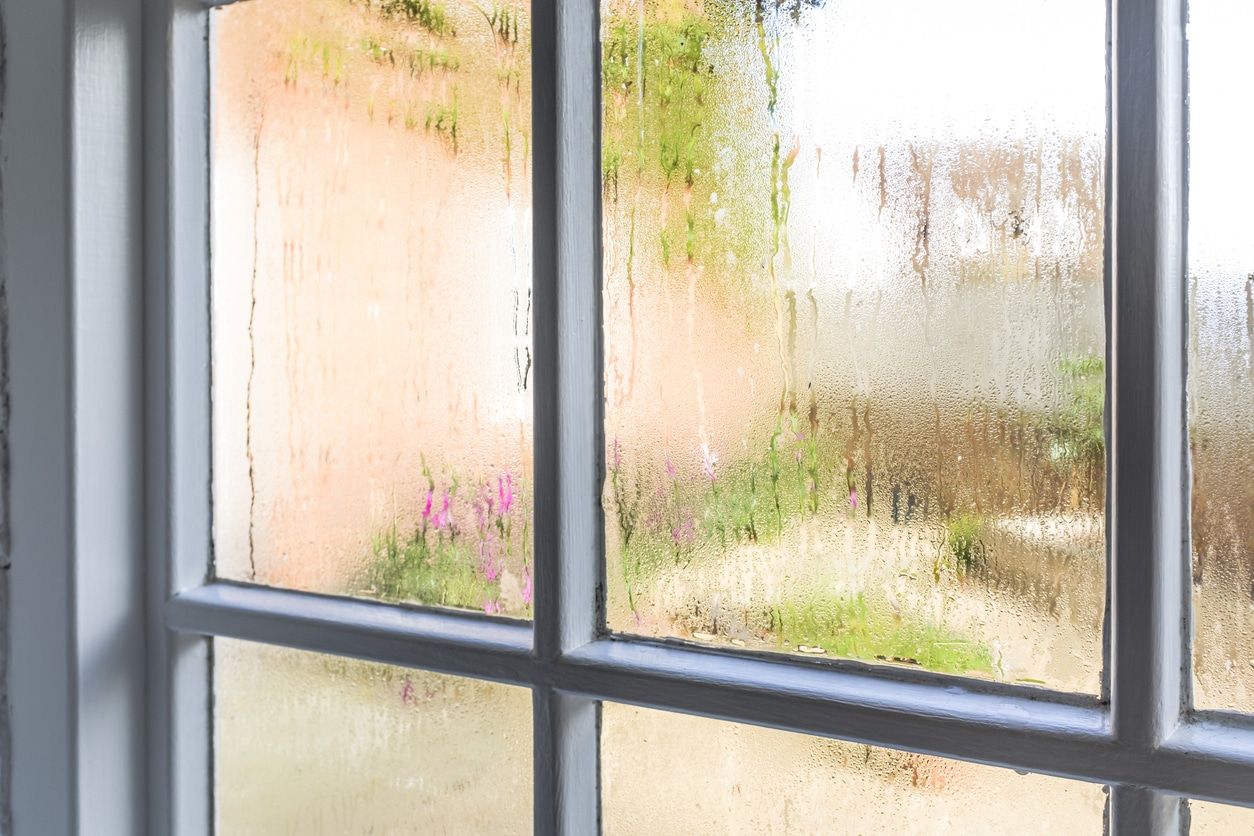
- Condensation on ducts, pipes, or other surfaces
- The space takes a long time to feel dry again
If these signs keep showing up, humidity control can help bring the space back into balance and keep it more comfortable.
Yes. Musty smells often happen when excess moisture lingers in the air and on surfaces below the home. Even when there is no standing water, high humidity can make the space smell stale and feel uncomfortable.
Humidity control helps reduce the conditions that allow those odors to hang around. By bringing moisture levels down and keeping them steadier over time, basements and crawl spaces often start to feel fresher and more livable.
If the air in your basement or crawl space feels heavy and damp, you do not have to just live with it. Humidity control helps bring moisture levels back into balance so the space feels more comfortable and easier to manage. You will get clear guidance, simple next steps, and help from a locally owned team Alabama homeowners trust.