
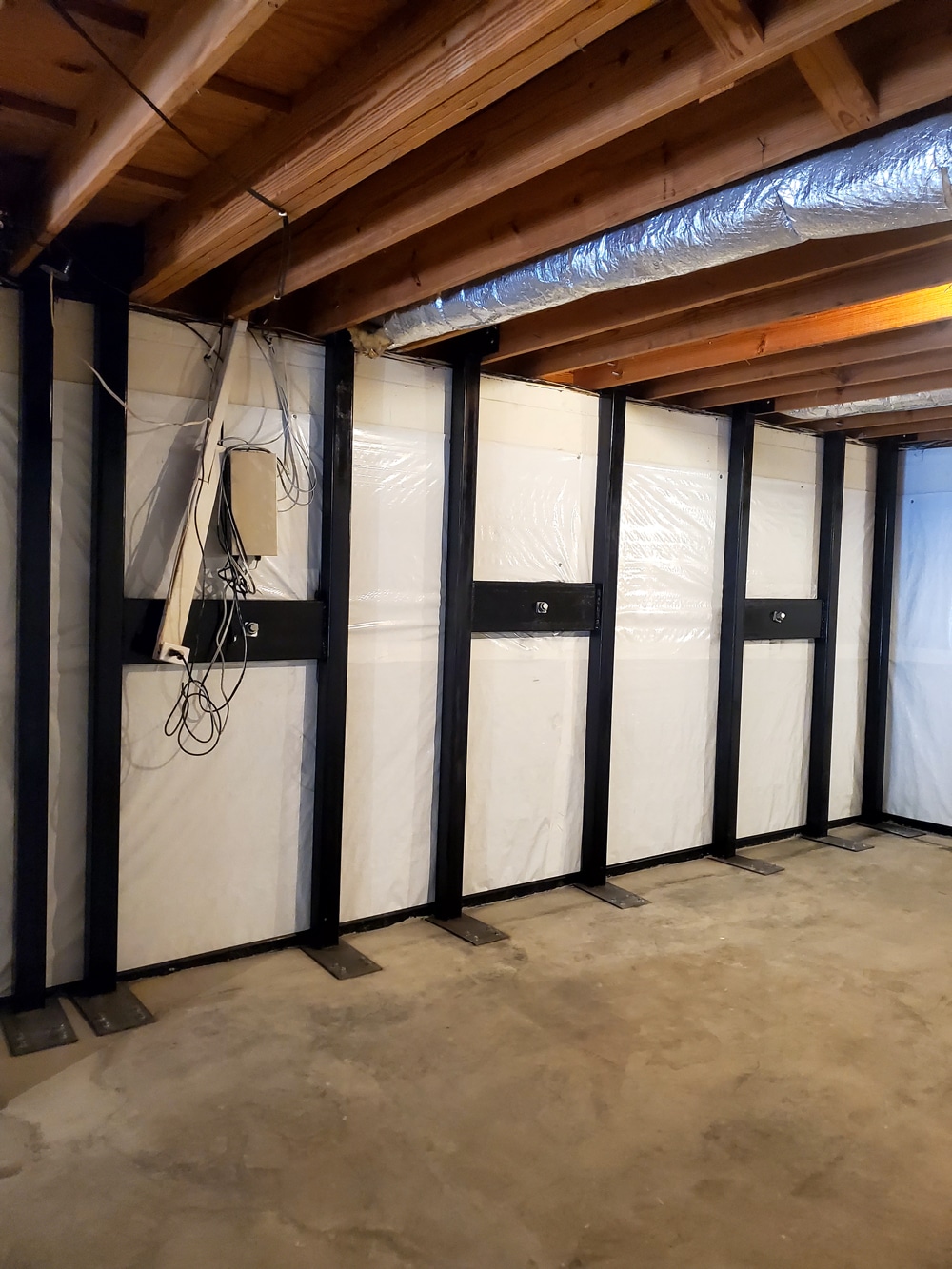
Superior Wall Reinforcement Systems in Alabama
Bowing or cracked basement walls are a more-than-cosmetic signal that pressure is building behind your foundation. BDry Alabama installs wall reinforcement systems engineered to stabilize shifting walls and prevent further structural movement, restoring strength without full replacement.
Locally owned and backed by 65+ years of brand experience, we serve 500+ homeowners each year and maintain a 4.8-star Google rating. With financing options, strong warranties, and proven structural solutions, you get experienced evaluation and repairs built for long-term performance.
The Advantages of a Properly Installed Wall Reinforcement System
When basement walls begin to bow or crack, the goal is simple: stop the movement before it becomes structural failure. A properly installed wall reinforcement system counters outside soil pressure and restores stability without tearing your home apart. Done right, it delivers measurable strength and long-term performance.

Signs You May Need Wall Reinforcement Systems
Foundation walls rarely bow without warning. In Alabama’s clay-heavy soil, hydrostatic pressure builds slowly, pushing inward until the wall begins to shift. Catching these signs early can mean reinforcement instead of full structural replacement.
BDry Alabama evaluates the degree of wall deflection, measures movement, and determines the appropriate wall reinforcement system based on structural conditions.
Installation is precise and engineered to counteract soil pressure without major demolition. Homeowners can expect a clear assessment, a defined repair plan, and reinforcement built to stabilize the structure for the long haul.
Wall Reinforcement Systems: Straight Answers to Tough Questions
Wall reinforcement systems raise important questions about safety, cost, and long-term performance. Below are clear, practical answers drawn from real foundation repair experience across Alabama’s demanding soil conditions.
Wall reinforcement systems are designed to counteract the lateral pressure pushing against your foundation walls. Steel beams, carbon fiber straps, or engineered supports are anchored to stabilize the wall and prevent additional inward movement.
Once installed, the system redistributes pressure and reinforces the structure without requiring full wall replacement. The goal is to stop progression and restore structural integrity before failure becomes a larger issue.
In many cases, walls can be partially corrected over time depending on the degree of movement and the reinforcement method used. However, the primary objective is stabilization, halting further displacement before structural safety is compromised.
Severely bowed walls may require a different structural solution, which is determined during inspection. A proper evaluation identifies whether reinforcement alone is appropriate or if additional corrective measures are needed.
Most wall reinforcement systems can be installed in a matter of days, depending on wall length and site conditions. The process is controlled and typically avoids major exterior excavation.
Installation commonly includes:
- Structural measurement and wall deflection assessment
- Placement of steel beams or reinforcement materials
- Secure anchoring to the footing or framing
- Final stabilization and inspection
Once installed, the system begins counteracting pressure immediately. Homeowners receive a clear explanation of the repair and what to monitor moving forward.
Full wall replacement is sometimes necessary, but it is also more invasive and costly. Wall reinforcement offers a structural solution that stabilizes the existing wall without extensive demolition.
When caught early, reinforcement systems provide long-term support while preserving much of the original structure. The right approach depends on wall condition, soil pressure, and structural integrity.
Wall reinforcement addresses structural movement, not drainage issues. However, bowed and cracked walls often allow moisture intrusion, so both concerns are frequently related.
During evaluation, our technicians assess for:
- Active water seepage through cracks
- Exterior grading or drainage concerns
- Hydrostatic pressure buildup
- Signs of long-term moisture exposure
If water intrusion is contributing to pressure, a comprehensive repair plan may include both reinforcement and waterproofing measures. Addressing structural stability and moisture together delivers stronger, longer-lasting results.