
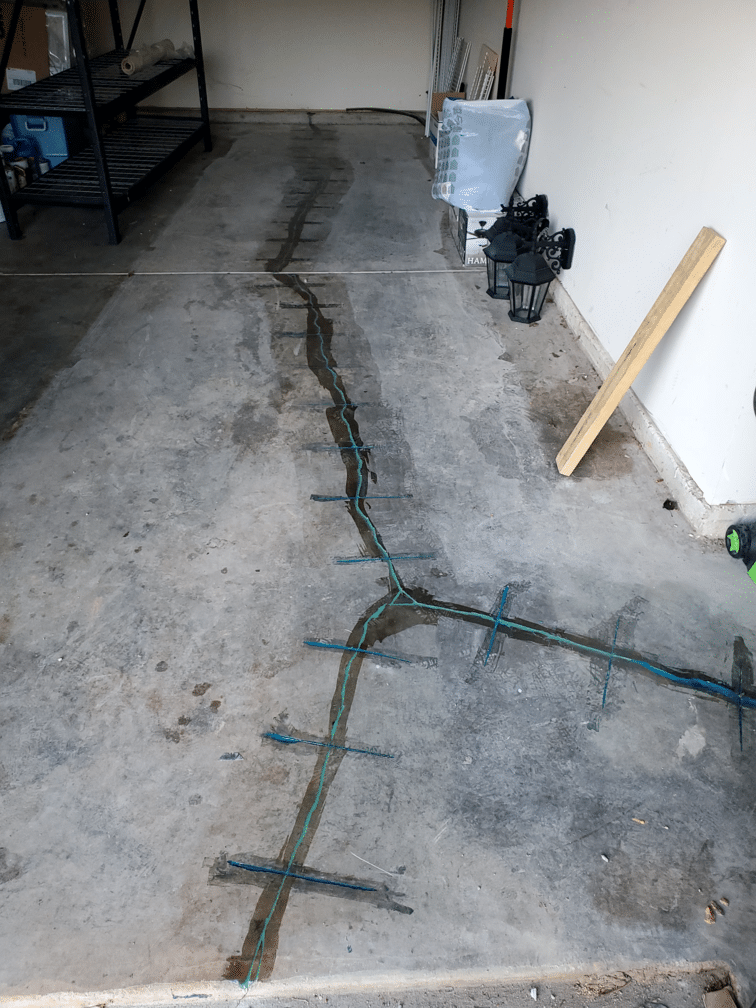
Foundation Crack Repair That Stops Small Problems From Becoming Big Ones
Cracks in concrete walls or slabs are often the first sign that something beneath your home is shifting. BDry Alabama provides foundation crack repair solutions to seal active leaks, reinforce structural integrity, and prevent further damage from spreading.
Locally owned and backed by 65+ years of brand experience, we serve 500+ homeowners each year and maintain a 4.8-star Google rating. With strong warranties and financing options available, you get a clear diagnosis and repairs built for long-term performance rather than surface-level patchwork.
What You Get with Professional Foundation Crack Repair
Not every crack means structural failure, but every crack deserves attention. Properly installed crack repair systems seal out moisture, reinforce compromised concrete, and stop minor issues from growing into major structural concerns.
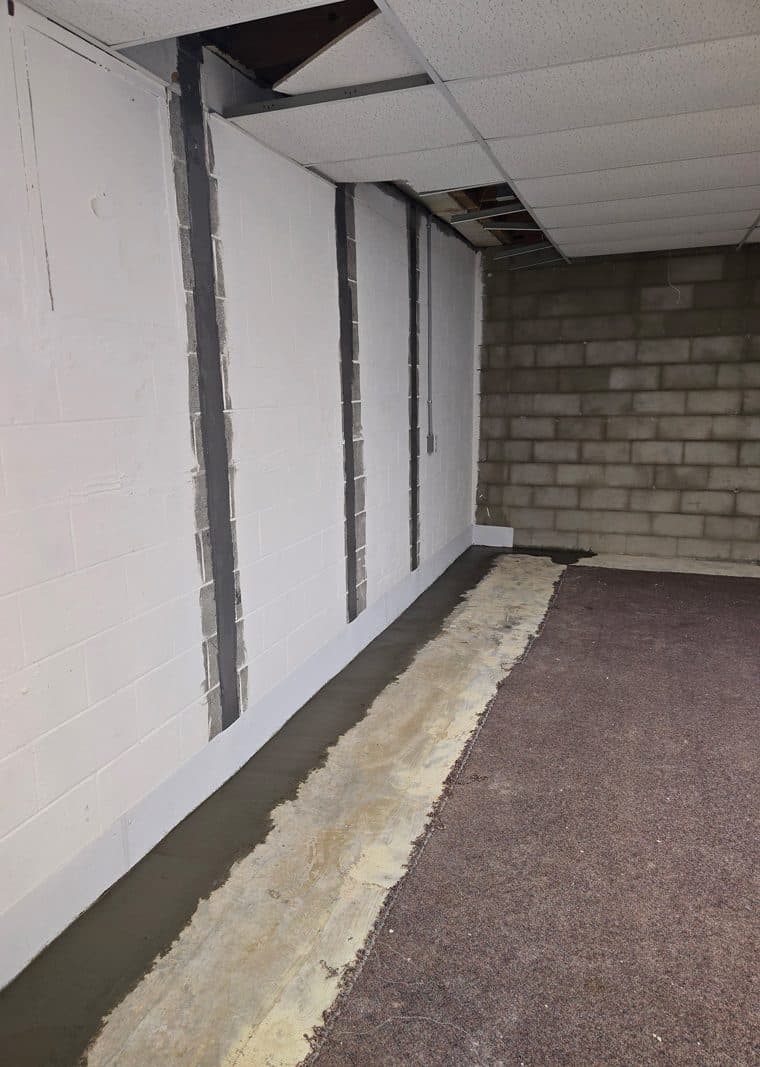
Signs You Need Foundation Crack Repair in Alabama
Concrete cracks rarely stay the same size. In Alabama’s shifting soils and wet seasons, small fractures can widen, allow moisture intrusion, and point to underlying movement. Knowing what to watch for can save you from more extensive structural repairs down the road.
BDry Alabama inspects the size, direction, and activity of each crack to determine the right repair method. Using professional-grade materials and targeted injection techniques, we seal leaks, reinforce compromised areas, and address contributing factors.
Homeowners can expect a clear assessment, an honest explanation of what the crack means, and repairs built to hold up long-term.
Foundation Crack Repair FAQs: What That Line in the Wall Really Means
Not every crack spells disaster, but some demand attention. Below are clear, experience-backed answers to common questions about foundation crack repair and what those fractures could mean for your home.
Not every foundation crack signals structural failure. Hairline cracks can form from normal concrete shrinkage during curing, especially in newer homes.
That said, crack size, direction, and movement matter. Wider cracks, horizontal fractures, or cracks that continue to grow over time often point to soil pressure or settlement that needs professional evaluation.
Alabama’s clay-heavy soils expand when saturated and contract during dry periods. That constant cycle creates stress against foundation walls and slabs, leading to cracking.
Other factors like poor drainage, hydrostatic pressure, and natural settling also contribute. Identifying the true cause is key to selecting the right crack repair method instead of simply covering the symptom.
Professional foundation crack repair typically involves sealing and reinforcing the damaged area to stop moisture intrusion and restore structural integrity. The repair method depends on the crack type and severity.
Common repair techniques include:
- Epoxy injection for structural bonding
- Polyurethane injection for flexible waterproof sealing
- Surface sealing combined with reinforcement
- Addressing drainage issues contributing to pressure
The goal is not just to fill the crack but to stabilize it and prevent recurrence. A proper repair addresses both the visible damage and the underlying stress causing it.
When installed correctly, professional crack repair systems block active water intrusion and resist future seepage. The materials used bond tightly to concrete and create a long-lasting seal.
However, if outside drainage problems are contributing to hydrostatic pressure, those conditions may also need correction. A thorough inspection determines whether waterproofing improvements should accompany crack repair.
Cracks that widen, lengthen, or begin to show moisture staining are often active. Monitoring changes over time can reveal whether the issue is stable or progressing.
Warning signs of an active crack include:
- Increasing width or spreading pattern
- New cracks forming nearby
- Flaking or crumbling concrete edges
- Visible water intrusion after rainfall
If you notice movement or recurring leaks, it is time for a professional evaluation. Early crack repair is typically simpler and more cost-effective than waiting for larger structural damage to develop.