

Get Non-Invasive Foundation Repair With Poly Lifting in Alabama
Sunken slabs, uneven sidewalks, and settling concrete are common across Alabama’s shifting soils. Poly lifting offers a non-invasive foundation repair method that raises and stabilizes concrete using high-density polyurethane foam, all without heavy excavation or long downtime.
BDry Alabama delivers precise slab leveling backed by 65+ years of experience and a 4.8-star Google rating. We serve 500+ homeowners each year with strong warranties and financing options available. You get a fast, controlled repair process and concrete that’s restored to a safe, stable position.
Why Poly Lifting Is a Smart Foundation Repair Solution
When concrete settles, you don’t always need a full tear-out and replacement. Poly lifting restores stability by injecting expanding foam beneath slabs to raise and support them from below. The process is fast, precise, and built for long-term performance in Alabama’s shifting soil conditions.
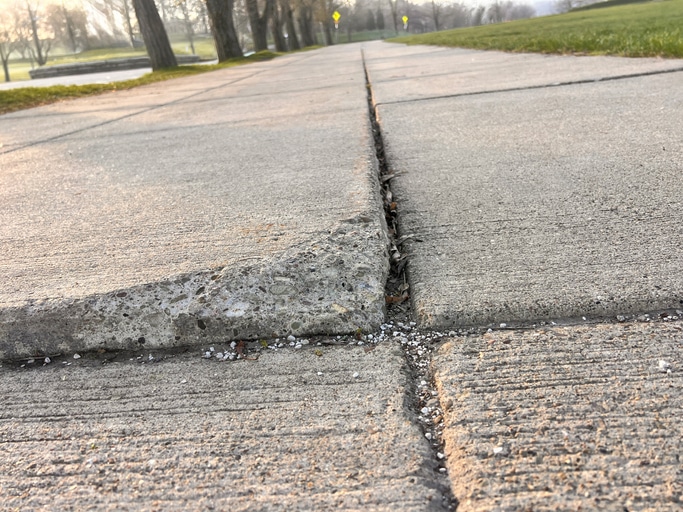
Signs You Need Poly Lifting for Settled Concrete
Concrete does not sink without a reason. In Alabama, shifting soil, erosion, and voids beneath slabs can cause driveways, sidewalks, and patios to settle unevenly. Poly lifting addresses the problem below the surface before it turns into a larger safety or structural concern.
BDry Alabama evaluates the affected area, identifies voids beneath the slab, and injects high-density polyurethane foam to lift and stabilize the concrete. The process is controlled, fast-curing, and requires minimal disruption.
Homeowners can expect a clear explanation of the issue, a targeted repair plan, and restored concrete that sits level and secure.
Poly Lifting FAQs: How Concrete Gets Back on Level Ground
Sunken slabs can look dramatic, but the fix doesn’t have to be. Below are straightforward answers to common questions about poly lifting and how this non-invasive foundation repair method restores stability from the ground up.
Poly lifting works by injecting high-density polyurethane foam beneath a settled slab. As the foam expands, it fills empty spaces and gently lifts the concrete back toward its original position.
The process is controlled and monitored throughout installation. Because the material expands with precision, technicians can make small adjustments to achieve a level, stable surface without overcorrecting.
Poly lifting uses lightweight polyurethane foam rather than heavy slurry materials. That means it adds less weight to already unstable soil and typically requires smaller injection holes.
It also cures quickly, allowing the slab to be used sooner. For many homeowners, that combination of speed, precision, and reduced stress on the soil makes poly lifting a preferred option.
Poly lifting is effective for many residential and light commercial slab applications. It addresses settlement caused by soil erosion, voids, and shifting ground.
Common areas include:
- Driveways and sidewalks
- Patios and pool decks
- Garage floors
- Interior concrete slabs
Each project begins with evaluating the cause of settlement. Lifting the slab is only part of the solution and stabilizing the soil below is just as important.
The polyurethane foam used in poly lifting is water-resistant and designed for long-term performance. Once cured, it forms a durable, stable support beneath the slab.
It does not dissolve with normal groundwater exposure. When properly installed, it provides consistent support that resists further erosion-related settlement.
Most poly lifting projects can be completed in a single day, depending on the size of the area. The foam cures quickly, meaning surfaces are often ready for use within a short timeframe.
During installation, you can expect:
- Small injection points drilled into the slab
- Controlled foam expansion beneath the surface
- Gradual lifting and leveling
- Sealing of injection holes
The result is restored, level concrete without extended downtime or large-scale demolition.