
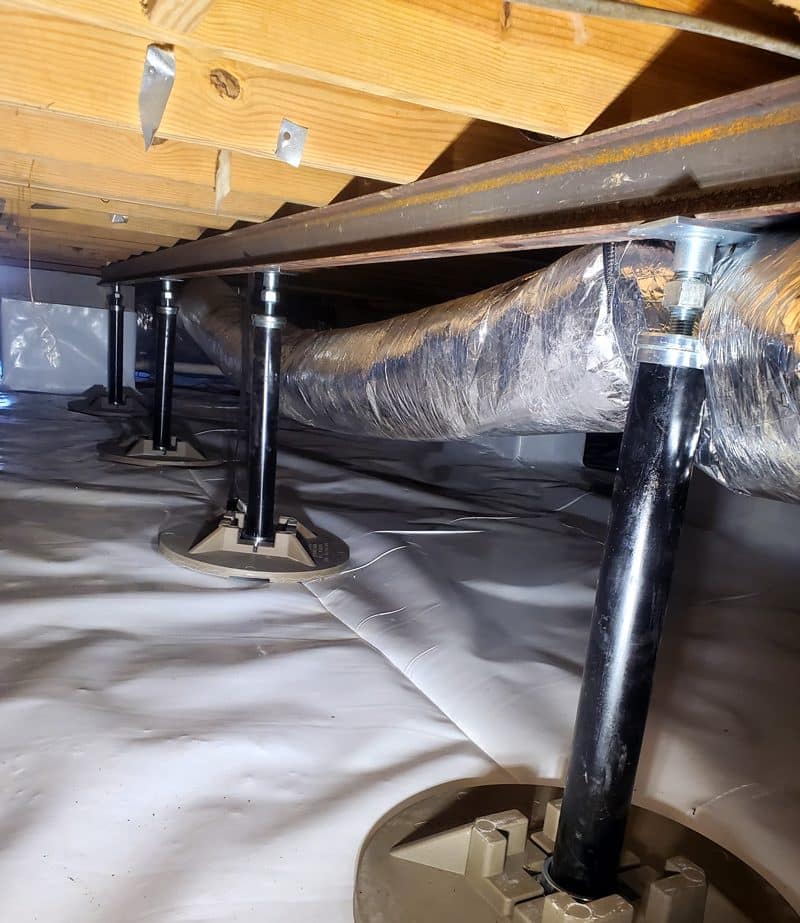
Floor Support Systems That Stop Sagging Floors for Good
Sagging or uneven floors are often signs of weakened joists or shifting support beneath your home. BDry Alabama installs engineered floor support systems that reinforce crawl space beams and restore stability where it matters most: under your living space.
Locally owned and backed by 65+ years of brand experience, we serve 500+ homeowners each year and maintain a 4.8-star Google rating. With financing options and strong warranties available, you get a clear structural assessment and reinforcement built for long-term performance.
Why Floor Support Systems Matter
When floors begin to sag or bounce, the issue usually starts in the crawl space. Properly installed floor supports reinforce weakened beams, redistribute weight, and restore structural stability from below. The result is a firmer floor and a stronger foundation system overall.
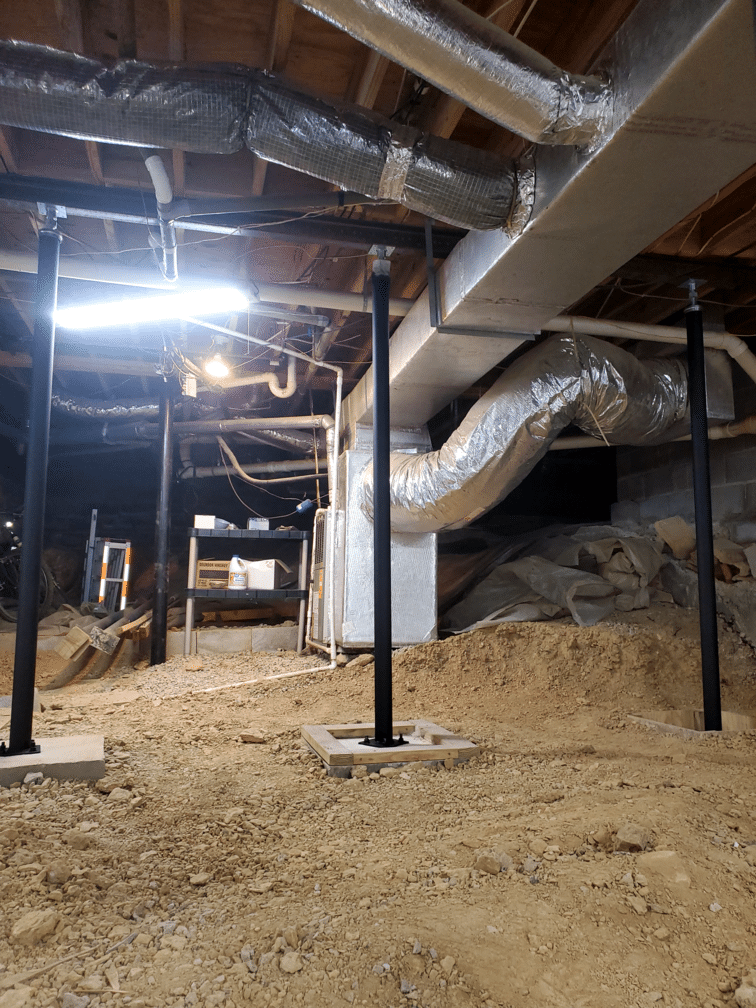
Signs You May Need Floor Support Systems in Alabama
In many Alabama homes, moisture, aging wood, or shifting soil can weaken crawl space beams and joists over time, causing floors to sag with little warning. If the structure below your living space is compromised, the symptoms show up where you walk every day.
BDry Alabama evaluates crawl space conditions, measures floor deflection, and installs engineered floor support systems designed to reinforce load-bearing beams. Installation is precise and adjustable, restoring strength without unnecessary demolition. Homeowners can expect a clear diagnosis, a defined reinforcement plan, and floors that feel solid again.
Floor Supports FAQs: Why Your Floors Feel Off
When floors start to sag or bounce, most homeowners have questions about what is happening underneath. Below are clear, experience-backed answers about floor support systems and how they restore strength to the structure below your home.
Sagging floors are often the result of weakened or undersized crawl space joists. Over time, moisture exposure, wood rot, or shifting soil can reduce the structural capacity of the framing beneath your home.
In Alabama, high humidity and seasonal soil movement add extra stress to floor systems. When support beams lose strength or settle, the flooring above begins to dip or flex.
In many cases, yes. While minor unevenness may seem cosmetic, significant sagging or bounce often indicates that load-bearing components are no longer performing as intended.
Left unaddressed, the issue can worsen and affect walls, doors, and trim. A professional inspection determines whether reinforcement is needed to restore proper load distribution.
Floor support systems reinforce weakened beams and redistribute weight to stable ground below. Adjustable steel supports are installed beneath sagging areas to provide permanent structural assistance.
A typical installation may include:
- Evaluation of crawl space framing
- Measurement of floor deflection
- Placement of adjustable steel support posts
- Securing posts to stable footings
Once installed, the supports can be fine-tuned to reduce sag and improve floor stability. The goal is to restore structural integrity without major reconstruction.
In many situations, floor supports can improve noticeable sagging. Gradual adjustment allows controlled correction while protecting the structure from sudden stress.
However, the primary objective is stabilization. Full leveling depends on the condition of the framing and how long the sag has been present.
Most floor support installations are completed within a few days, depending on crawl space access and the number of supports required. The process is contained beneath the home, minimizing disruption to living areas.
During installation, you can expect:
- Access to the crawl space
- Placement of steel support posts
- Adjustment to achieve proper load balance
- Final structural review
When complete, floors feel firmer and more stable underfoot. The improvement is noticeable, and the reinforcement provides long-term structural confidence.