
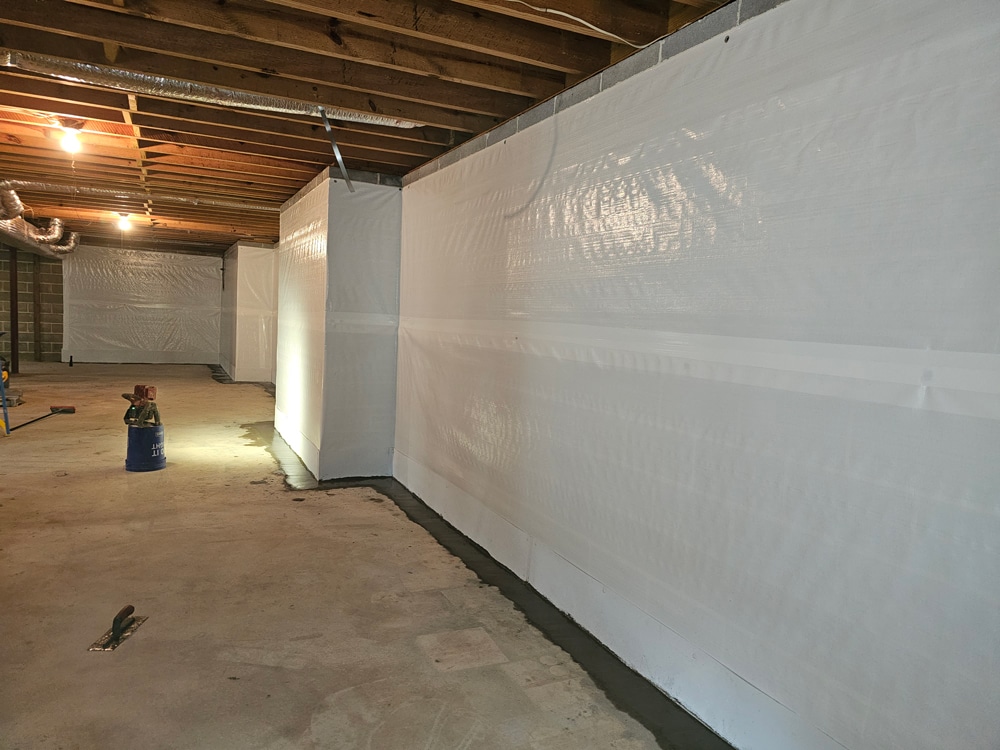
Waterproofing Services That Protect Alabama Homes
Water has one job: find the easiest path. If that path leads into your basement or along your foundation walls, it can turn a small annoyance into a repeat problem fast. Waterproofing is how you take back control, directing water away, reducing dampness, and protecting the parts of the home that matter most.
BDry Alabama brings 65+ years in business, helps 500+ homes every year, and holds a 4.8-star Google rating. We start with a detailed inspection, explain what is happening in plain language, and recommend the right mix of solutions, whether that means crawl space waterproofing, basement waterproofing, exterior waterproofing, or a combination.
What Waterproofing Actually Does
Waterproofing isn’t about chasing leaks after they appear. It’s about controlling where water goes, reducing pressure around the home, and keeping moisture from settling in places it shouldn’t. When water is managed correctly, basements stay drier, foundations stay protected, and repeat problems are far less likely.
A proper waterproofing plan typically focuses on:
Waterproofing works best when it’s designed around how water moves on and around your property. Once that path is controlled, the home stays drier, the space becomes more usable, and water stops being a constant worry.
Waterproofing FAQs for Alabama Homeowners
Waterproofing issues can sneak up on you, starting as a little dampness and turning into a repeat headache. These FAQs cover the most common questions homeowners ask about waterproofing, including why water shows up, which type of waterproofing fits different situations, what the process looks like, and how to keep the home drier long-term.
Water usually shows up when the soil around the home becomes saturated and starts pushing moisture toward the foundation. Heavy rain, poor drainage, and Alabama humidity all add pressure, and water will always take the easiest path it can find, often through small cracks, joints, or porous concrete.
Over time, this pressure can lead to seepage, damp walls, or water appearing in the same spots after storms. Waterproofing focuses on controlling that pressure and managing how water moves so it is redirected away from the home instead of pushing inward.
These services all aim to keep water out, but they focus on different areas and approaches depending on where the problem starts.
- Crawl space waterproofing: Prevents moisture infiltration, maintaining a dry and stable crawl space by sealing out water
- Basement waterproofing: Focuses on keeping the basement space dry and usable by addressing seepage and damp walls
- Exterior waterproofing: Works outside the home to keep water from reaching problem areas in the first place
Choosing the right approach depends on how water is moving on and around your property. In many cases, a combination of methods provides the best long-term results.
In many homes, waterproofing helps reduce musty smells because those odors are often tied to ongoing moisture. When water intrusion is controlled, damp conditions are less likely to linger, which can make the space feel fresher.
That said, humidity can sometimes stick around even after water is addressed, especially in Alabama. In those cases, moisture control or dehumidification may be recommended to fully balance the space and keep it comfortable long-term.
Waterproofing and exterior drainage often work best as a team, especially when water tends to collect near the home.
- Exterior drainage helps move water away from the foundation
- Waterproofing protects the structure from moisture that does reach it
- Together, they reduce water pressure and repeat seepage
- The combination supports longer-lasting results
When both are designed together, water has fewer chances to cause trouble, and the home stays drier overall.
A waterproofing inspection starts with understanding where water is showing up and how often it happens. The foundation, basement walls, floors, and exterior areas are reviewed to see how water is moving and where pressure may be building.
After the inspection, you will get clear explanations and straightforward recommendations. The goal is to match the solution to your home, so you know what to expect and what steps will actually help keep water under control.
When water keeps showing up, guessing gets old fast. Waterproofing helps control where water goes, reduces dampness, and protects the foundation and lower levels of your home so you can stop worrying about the next storm. Contact BDry for clear guidance, simple next steps, and support from a team Alabama homeowners trust.