
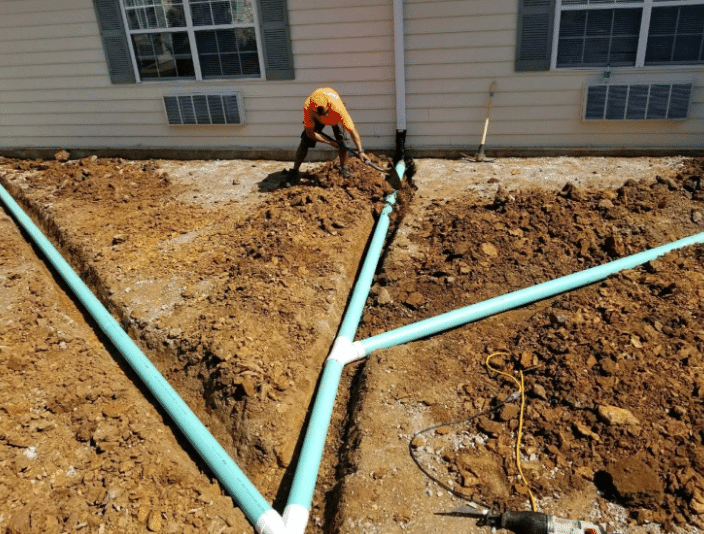
Exterior Drainage Solutions That Keep Water Away From Your Home
Rainwater has to go somewhere, and in Alabama, it often shows up fast and heavy. When it doesn’t have a clear path away, it settles into low spots, washes out landscaping, and starts hanging around where you really don’t want it, near the foundation.
BDry Alabama installs exterior drainage solutions that guide water away from your home, helping your property dry out faster after storms. We are locally owned, backed by a brand with 65+ years of experience, and we help 500+ homeowners every year. With a 4.8-star Google rating, financing available, and strong warranties, you will get straightforward recommendations and a plan that fits your property.
The Most Common Runoff Paths That Push Water Toward the Home
Water around a home usually isn’t doing anything random. It follows the same paths every time it rains, especially when the yard has low spots, compacted soil, or runoff that was never given a clear direction. Once water starts moving toward the house, it tends to repeat that pattern again and again.
Runoff most often gets pushed toward the home because of things like:
The key is identifying which path the water is taking and why it keeps ending up in the same spots. Once those runoff patterns are understood, the right exterior drainage solution can redirect water away from the home and help prevent the problem from repeating.
Waterproofing FAQs for Alabama Homeowners
Water issues have a way of showing up when you are already juggling enough, and if runoff keeps heading to the same spots, the mess tends to repeat. These FAQs cover the questions Alabama homeowners ask most about exterior drainage, including what it helps with, when it makes sense, and what to expect when you schedule an inspection and talk through next steps.
Water usually pools in the same place because the ground is shaped or compacted in a way that traps it. Low areas, dense soil, and nearby hard surfaces can all prevent water from soaking in or flowing away, even after lighter rainfall.
Once water finds an easy place to collect, it tends to repeat that pattern every time it rains. Without changing how runoff moves through the yard, those puddles often keep showing up in the same spots.
Exterior drainage manages how water moves across and through your yard so it does not collect near the home or create long-term moisture issues. It directs runoff away from problem areas.
Here are the problems that proper exterior drainage can solve:
- Standing water that lingers after rain
- Runoff flows back toward the foundation
- Soggy or muddy areas that take a long time to dry
- Washouts or erosion near slopes and edges
- Excess moisture is building up near the home
By giving water a clear route to follow, exterior drainage helps keep the yard drier and reduces the conditions that cause repeat water problems.
Grading can help when water issues are minor and related to small, low spots or shallow slopes. Adjusting the surface of the yard can improve how water flows and may be enough when pooling is limited and short-lived.
A drainage system is usually needed when water problems persist even after grading changes. If water keeps collecting, soil stays saturated, or runoff continues to move toward the home, exterior drainage solutions can provide a more reliable way to move water away.
Yard drainage problems often show clear signs once you know what to look for. These issues tend to repeat after rain and get worse over time if nothing changes.
Here’s what homeowners should look out for:
- Puddles that remain for hours or days after rain
- Muddy areas that never fully dry out
- Water flowing toward the foundation
- Washouts or exposed soil after storms
- Landscaping that will not stay in place
Catching these signs early makes it easier to choose the right drainage solution and prevent bigger problems later.
Exterior drainage focuses on moving water away from the home by controlling where runoff and groundwater go. It is about guiding water across the yard and preventing it from collecting near the foundation.
Waterproofing focuses on protecting the structure itself by sealing or managing water at the foundation. In many cases, drainage and waterproofing work best together, with drainage reducing how much water reaches the foundation and waterproofing providing added protection where needed.
When runoff keeps collecting in the same places, it can turn into soggy spots, washouts, and moisture that stays too close to the home. Exterior drainage helps guide water away, protect the yard, and reduce the conditions that can lead to basement or crawl space problems over time. You will get clear guidance, simple next steps, and help from a locally owned team Alabama homeowners trust.