
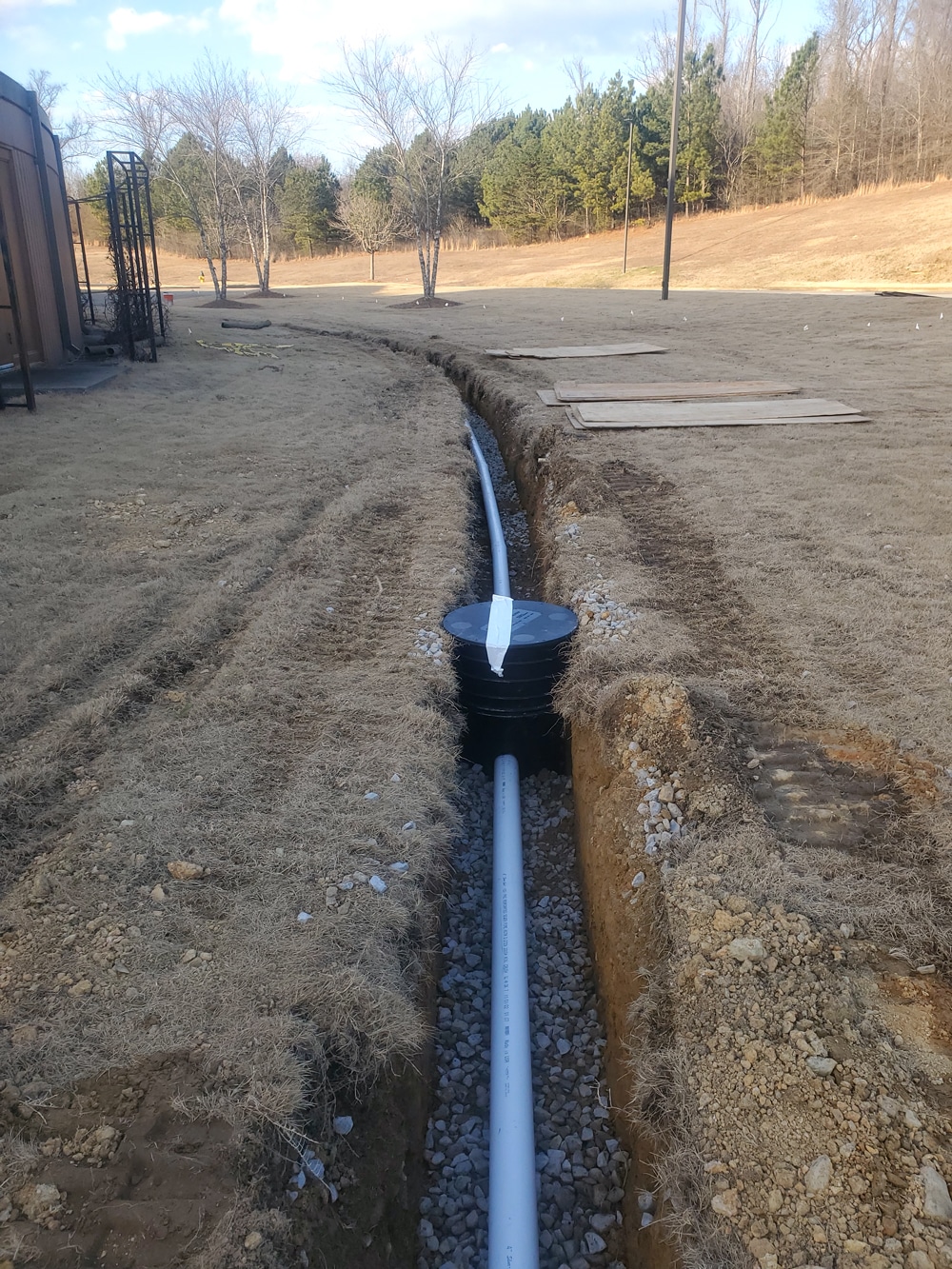
Erosion Control That Protects Alabama Foundations
Soil has a way of moving when water keeps pushing it around. Over time, that movement can wash out landscaping, carve channels into the yard, and leave slopes and edges looking rougher than they should. Erosion control is about slowing water down and helping the ground stay where it belongs.
BDry Alabama provides erosion control solutions that protect your yard and support the areas around your home that take the most impact. We are locally owned, backed by a brand with 65+ years of experience, and we help 500+ homeowners every year. With a 4.8-star Google rating, financing available, and strong warranties, you will get practical recommendations that focus on stability, not guesswork.
How to Spot Early Erosion Before It Becomes a Big Repair
Erosion usually starts small. It might look like a little bare patch, a shallow groove, or mulch that keeps disappearing after rain. But once water finds an easy route, it tends to use it again and again, slowly carrying soil away with every heavy downpour.
Early erosion often shows up in places like:
The best time to address erosion is before those patterns deepen and spread. Once you know where the washout is starting and what is feeding it, the right erosion control plan can slow the water down and help the yard stay stable long-term.
Erosion Control FAQs for Alabama Homeowners
Erosion often starts small, then keeps getting worse with each heavy rain if nothing changes. These FAQs cover the questions Alabama homeowners ask most about erosion control, including what causes washouts, what solutions typically involve, and what to expect when you schedule an inspection and talk through next steps.
Erosion keeps getting worse because water naturally follows the easiest path downhill. Once a small groove or washout forms, rainwater moves through it faster, carrying more soil away with each storm. The more soil that disappears, the easier it becomes for water to keep using that same route.
Without changing how the water moves, heavy rain continues to deepen those paths over time. What starts as a minor washout can slowly spread, affecting larger sections of the yard and making the problem harder to ignore.
Some parts of a property take on more water and movement than others, which makes them more likely to show erosion early. These areas tend to be the first places soil starts to shift.
Homeowners should keep an eye on:
- Sloped sections of the yard where water speeds up
- Areas below downspouts that release large volumes of water
- Edges of driveways, sidewalks, and patios
- Bare or thinly landscaped spots with little ground cover
- Low areas where runoff collects and moves through
Catching erosion in these spots early makes it easier to stabilize the area before the damage spreads to nearby sections of the yard.
Adding soil or mulch can cover up erosion temporarily, but it does not stop water from washing it away again. If the same areas keep losing material after rain, it is a sign that the water flow itself needs to be addressed.
Erosion control becomes necessary when the goal is to slow water down or redirect it. By changing how runoff moves across the property, erosion control solutions help protect soil and landscaping long-term instead of relying on repeated cleanups.
An erosion control inspection looks at how water travels across your property and where soil loss is occurring. The goal is to understand both the visible damage and the underlying cause.
- Walk the yard to identify washouts and bare areas
- Review slopes, runoff paths, and drainage patterns
- Look at where water speeds up or changes direction
- Discuss options to slow, spread out, or redirect water
- Explain the recommended next steps and possible solutions
Once the inspection is complete, you will have a clearer picture of why erosion is happening and which solutions make the most sense for your yard.
Yes. Many erosion control solutions are designed to manage water flow before it reaches the foundation. By slowing runoff and guiding it along safer paths, water is less likely to rush toward the home.
When erosion is controlled, soil stays in place, and water spreads out more evenly across the yard. This supports other drainage and waterproofing efforts and helps reduce the conditions that allow water to collect near the foundation.
When water starts hanging around the outside of your home, it doesn’t take long for it to become an inside problem. Exterior waterproofing helps reduce moisture against the foundation and keeps water from working its way into a basement or crawl space. You will get clear guidance, simple next steps, and help from a locally owned team Alabama homeowners trust.