
Mold & Mildew Solutions for Alabama Homes
Mold and mildew rarely start with a dramatic flood. More often, they begin quietly: in damp crawl spaces, humid basements, or areas where moisture lingers longer than it should. In Alabama’s humid climate, that damp air and hidden ground moisture create the perfect environment for mold growth.
BDry Alabama addresses mold and mildew by solving the root cause: excess moisture. Our moisture control systems combine humidity management, dehumidification, and below-grade protection to create a drier, more stable environment beneath your home. With a 4.8-star Google rating, financing options, and strong warranties, you get a long-term plan focused on keeping mold and mildew from returning.
Where Mold & Mildew Develop Below a Home, & How Moisture Control Stops It
Mold and mildew below a home rarely come from just one source. They develop when damp air, ground moisture, and poor circulation work together over time. Even if visible growth is removed, it will return if moisture levels stay high.
Common areas where mold and mildew develop include:
Moisture control focuses on changing the environment that allows mold to thrive. When air moisture and ground moisture are managed together, conditions become far less supportive of growth. Instead of treating symptoms repeatedly, the space becomes consistently drier and more stable.
Mold & Mildew FAQs for Alabama Homeowners
Mold growth is often the visible sign of a deeper moisture imbalance. These FAQs address common questions about mold and mildew and how moisture control provides a long-term solution.
Mold and mildew develop when moisture, organic materials, and stagnant air combine. In Alabama, high outdoor humidity and damp soil create ideal conditions beneath homes, especially in crawl spaces and basements. Even without visible flooding, consistent moisture in the air or rising from the ground can create an environment where growth begins.
Because these conditions can remain hidden for long periods, mold often spreads before homeowners notice a problem. Addressing the moisture source is the most effective way to reduce the conditions that allow mold and mildew to develop in the first place.
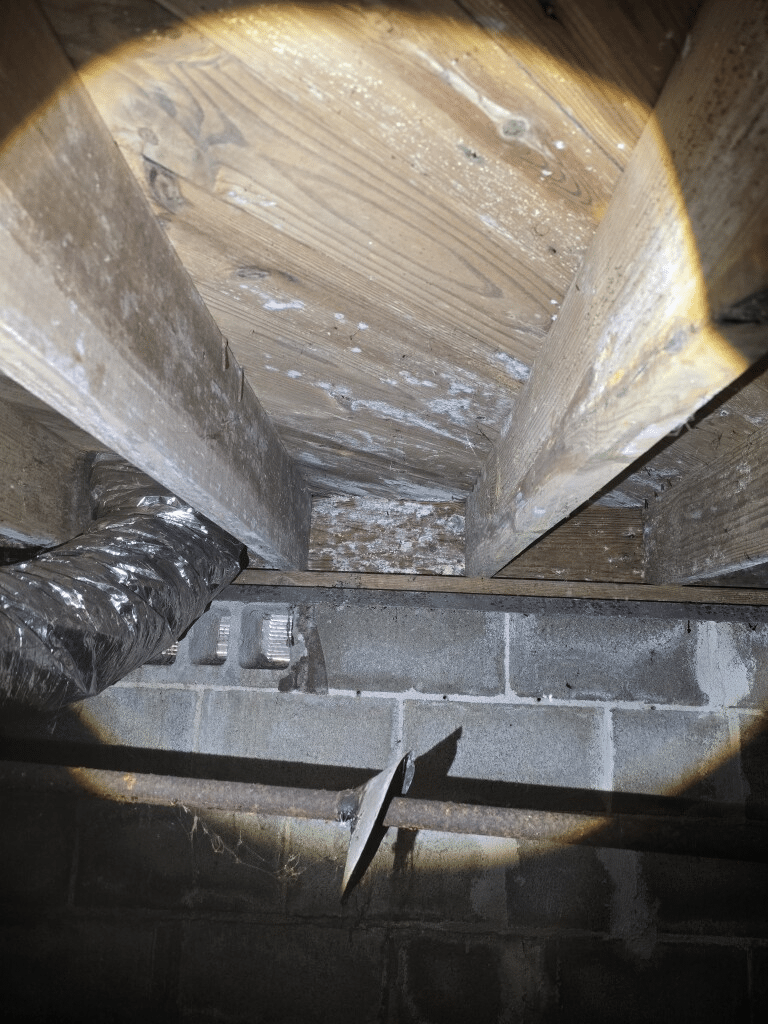
The first sign is often a musty odor that lingers inside the home, especially after rain or during humid months. You may also notice higher indoor humidity, cupped flooring, or visible discoloration on wood framing beneath the home. In some cases, condensation forms on surfaces that never seem to fully dry.
Because air rises from below, moisture and odors from a crawl space can affect living areas above it. A professional evaluation helps determine whether excess moisture is present and whether conditions are supporting mold growth.
Moisture control reduces the conditions that allow mold and mildew to thrive. By managing both humidity and ground moisture, it helps create a more stable environment beneath the home.
Moisture control systems may help:
- Lower overall humidity levels
- Reduce damp air circulation into living spaces
- Limit condensation on surfaces
- Support faster drying after heavy rain
- Create less favorable conditions for mold growth
While no system can change Alabama’s climate, managing moisture below the home makes it far less likely that mold and mildew will repeatedly return. The goal is consistency, not temporary relief.
Prolonged moisture can impact more than just air quality. Over time, damp conditions may contribute to wood rot, weakened framing, and deterioration of structural materials. Mold itself often signals that moisture levels have remained elevated long enough to affect building components.
By controlling moisture early, homeowners can help protect both the air environment and the structural integrity of the space below the home. Stabilizing humidity levels supports long-term durability and reduces the risk of ongoing material damage.
It is a good idea to schedule an inspection when signs of persistent dampness appear or when conditions do not improve after seasonal changes. Mold and mildew rarely resolve on their own if the underlying moisture imbalance remains.
Consider scheduling an evaluation if you notice:
- Musty odors that return after cleaning
- High humidity levels inside the home
- Visible mildew or discoloration below the house
- Floors that feel soft, uneven, or cupped
- Damp conditions that persist after rain
Early evaluation makes it easier to create a manageable plan. Identifying moisture sources before conditions worsen can help prevent larger structural or environmental concerns later.
When a basement or crawl space stays damp, it usually takes more than a fan to fix it. Dehumidification helps pull excess moisture out of the air so the space feels drier and more comfortable over time. You will get clear guidance, simple next steps, and help from a locally owned team Alabama homeowners trust.