
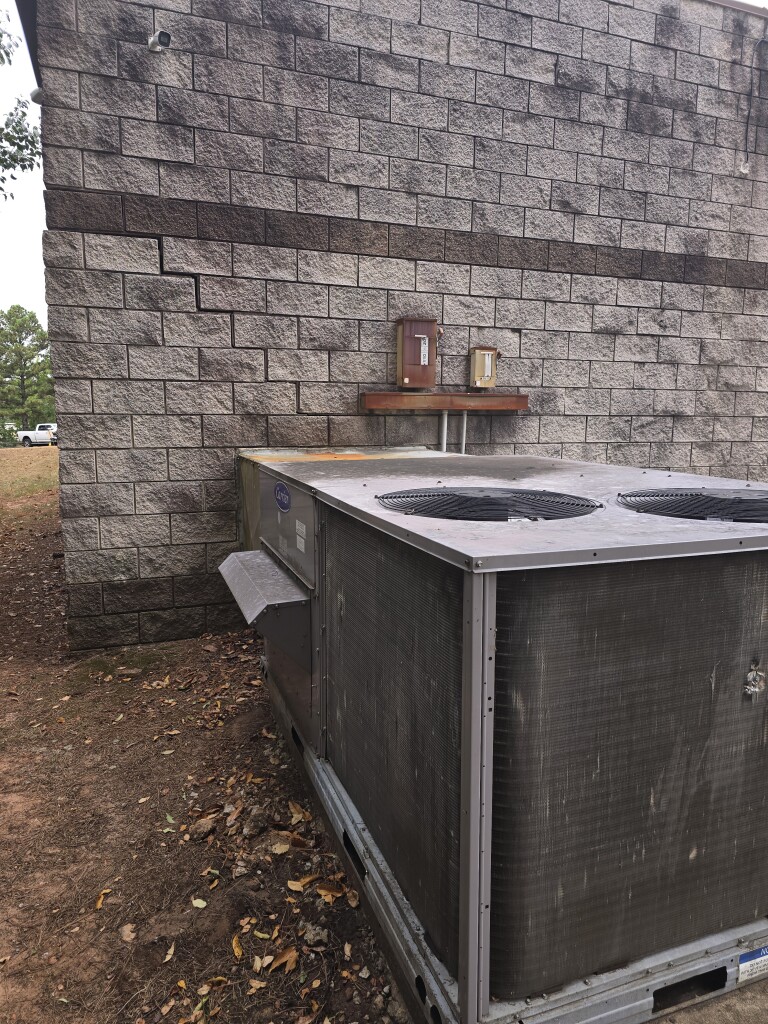
Keep Your Commercial Property Protected From Foundation & Water Damage
Commercial buildings carry constant weight, steady foot traffic, and daily operational demands. When water finds its way into lower levels or the structure starts to shift, the problem is rarely isolated. It can affect tenant comfort, equipment areas, finished spaces, and long-term building performance if left unchecked.
BDry Alabama helps commercial property owners and managers protect their buildings with foundation repair and waterproofing solutions built for real-world use. We are locally owned, backed by a 4.8-star Google rating and 65+ years of experience helping 500+ customers every year across Central and North Alabama.
Commercial Foundation & Waterproofing Services
A busy building can’t pause for puddles, leaks, or shifting floors. When water and foundation issues show up, they tend to cascade into other problems fast. The right plan keeps the structure steady and the interior spaces more reliable, season after season.
Where Commercial Leaks Like to Travel
Water rarely enters in a perfect, easy-to-find spot. It follows pressure, seams, and the path of least resistance, then shows up where it causes the most frustration. That’s why commercial waterproofing needs to focus on how water is moving below grade, not just where it appears inside.
Commercial water intrusion most often shows up in places like:
A real waterproofing system manages the water before it becomes a recurring interior problem, so the space stays usable over time.
Commercial Foundation & Waterproofing FAQs
Water and structural issues in commercial buildings are rarely isolated. They often involve multiple systems, site conditions, and usage patterns. These FAQs address common questions property owners and managers have about foundation repair and waterproofing, including how problems are evaluated, how solutions are selected, and what to expect during an inspection.
Rain can trigger visible leaks, but it isn’t always the root cause. Many commercial water issues are driven by how groundwater collects, how the site drains, and how pressure builds around the foundation over time. Even moderate rainfall can expose problems if water doesn’t have a clear path away from the building.
That’s why recurring water intrusion often follows the same pattern. If soil stays saturated or water keeps pressing against below-grade walls, the issue can return regardless of how heavy the last storm was. Long-term solutions focus on managing water movement, not just reacting to weather.
Water and foundation issues in commercial buildings tend to leave patterns rather than one-off symptoms. Paying attention early can help prevent wider disruption.
Common warning signs include:
- Water showing up in the same lower-level areas after rain
- Cracks that reopen after patching or cosmetic repairs
- Uneven floors or new trip points in high-traffic spaces
- Damp odors that linger or return
- Staining, efflorescence, or surface deterioration along walls
When these signs repeat, it usually means the underlying cause hasn’t been addressed. An inspection helps determine whether the issue is water-related, structural, or a combination of both.
Moisture control in basements and crawl spaces plays a big role in reducing conditions that allow mold and mildew to develop. Keeping these areas drier helps limit ongoing dampness, odors, and material breakdown over time.
The focus is on managing water and moisture at the source rather than performing mold remediation in finished or occupied interior spaces. By improving below-grade conditions, the environment becomes more stable and easier to manage moving forward.
A commercial inspection is designed to understand how water and structural forces are interacting with the building, not just what’s visible on the surface.
An inspection typically includes:
- A walkthrough of problem areas and lower-level spaces
- Discussion of when issues occur and how often they repeat
- Review of exterior conditions like grading and drainage paths
- Observation of cracking, movement, or moisture patterns
- Explanation of possible solution paths and next steps
The goal is clarity. A thorough inspection allows us to recommend a solution that’s aligned with how the building actually performs day to day.
Project timelines depend on the size of the building, the scope of work, and how the space is used. Some repairs can be completed quickly, while larger systems may require phased scheduling to limit disruption.
Before work begins, expectations around duration, access, and sequencing are outlined so planning is straightforward. That way, property owners and managers can balance repairs with ongoing operations more comfortably.
When a commercial building is dealing with water intrusion or foundation concerns, guessing gets expensive fast. An inspection can confirm what’s driving the issue and which solution path makes the most sense—waterproofing, foundation repair, or a combination of both. With BDry Alabama, you’ll get straightforward guidance, clear next steps, and a plan that fits how the property is used.