
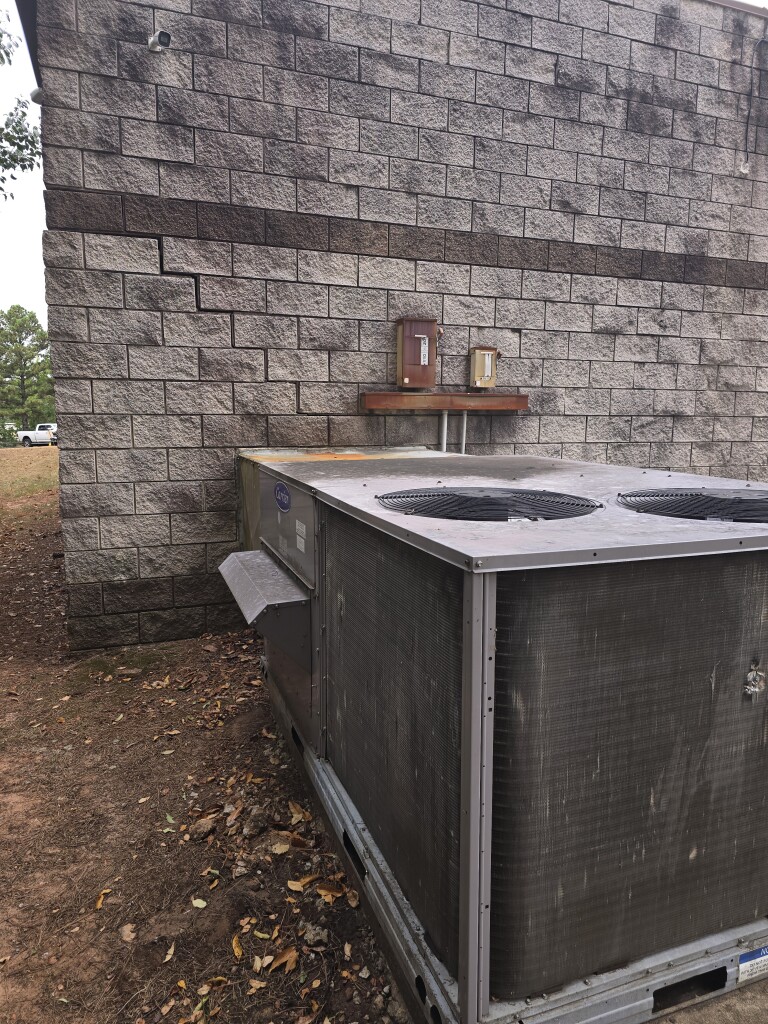
Commercial Foundation Repair That Keeps Alabama Businesses Running
Commercial buildings don’t get days off. When the foundation starts to move, signs can appear quickly and affect more than one area at a time. Cracks, uneven surfaces, and shifting walls create real concerns for owners and managers who need the property to stay safe, functional, and dependable.
BDry Alabama helps commercial properties across Central and North Alabama stabilize foundations with repair solutions built for larger structures and heavier demands. We are a locally owned brand with 65+ years of experience, helping 500+ customers each year. With a 4.8-star Google rating, financing available, and strong warranties, we always provide clear answers and a repair plan tailored to the building, rather than a one-size-fits-all approach.
Commercial Foundation Repair Features & Services
Commercial foundations carry more weight and cover more ground than your average structure, so small changes can turn into noticeable issues. Cracks, uneven flooring, and sticking doors are often signs that the building needs support, not another patch. A measurement-based approach helps us match the fix to what the structure is actually doing.
What a Digital Foundation Scan Can Tell You
Cracks and uneven areas can be hard to read on a commercial building. Some changes are cosmetic. Others point to a movement that keeps progressing over time. A Digital Foundation Scan separates guesswork from documented conditions by establishing a clear baseline and showing where elevations rise or drop across the structure.
A Digital Foundation Scan is especially useful for situations like:
The advantage is clarity. With measured data and a defined reference point, it’s easier to understand what’s happening, prioritize repairs, and track change over time instead of relying on visuals alone.
Commercial Foundation Repair FAQs
Foundation movement in commercial buildings can look different from one structure to the next. These FAQs cover the questions most often asked about cracks, settling, and structural support, including how movement is measured, when repairs are recommended, and how stabilization plans are developed.
A digital foundation scan is a measurement-based evaluation that maps elevation changes across a structure. Establishing a consistent reference point and taking readings at regular intervals helps identify where a building may be settling, lifting, or remaining stable.
This type of scan is especially helpful when cracks keep returning, floors feel uneven, or a clear record is needed for planning, documentation, or real estate decisions. It can also be used after repairs to confirm stabilization and provide peace of mind moving forward.
Foundation movement often shows up gradually, with small changes appearing in multiple areas of the building.
- Early warning signs can include:
- Cracks forming in walls, masonry, or slabs
- Uneven floors or subtle slopes in large open areas
- Doors or frames that begin to stick or shift
- Separation where walls meet ceilings or floors
- Repaired cracks that reopen over time
When these signs appear together or continue to progress, it’s usually worth having the foundation evaluated before the issue spreads further.
In many cases, yes. Commercial foundation repairs are often planned with building use in mind, which allows work to be phased or scheduled to limit disruption. The approach depends on access, layout, and which areas of the structure are affected.
During the evaluation process, repair options and sequencing are discussed so expectations are clear. This helps property owners and managers balance structural needs with daily operations more comfortably.
Settlement doesn’t always show up as a single obvious failure. More often, it appears through patterns that repeat or slowly worsen over time.
Common signs include:
- New cracks near doors, windows, or expansion joints
- Floors that feel uneven or develop trip points
- Gaps forming between walls and adjoining surfaces
- Misaligned doors or frames that no longer close smoothly
- Cracks that spread despite cosmetic repairs
Catching these signs early makes it easier to confirm whether movement is active and what type of repair, if any, is appropriate.
Foundation movement is a common cause of uneven floors and changing elevations in commercial buildings. When the underlying support is stabilized, it can reduce further shifting that contributes to trip hazards and misalignment.
The exact outcome depends on the severity and duration of the movement. During an inspection, floor conditions are evaluated alongside structural concerns, meaning expectations are clear and repair options align with safety and usability goals.
Cracks and uneven areas don’t always mean the same thing on a commercial property. An inspection determines whether movement is active, how widespread it is, and what type of stabilization is appropriate for the structure and load. Contact BDry for clear communication, documented findings, and next steps that are easy to act on.