
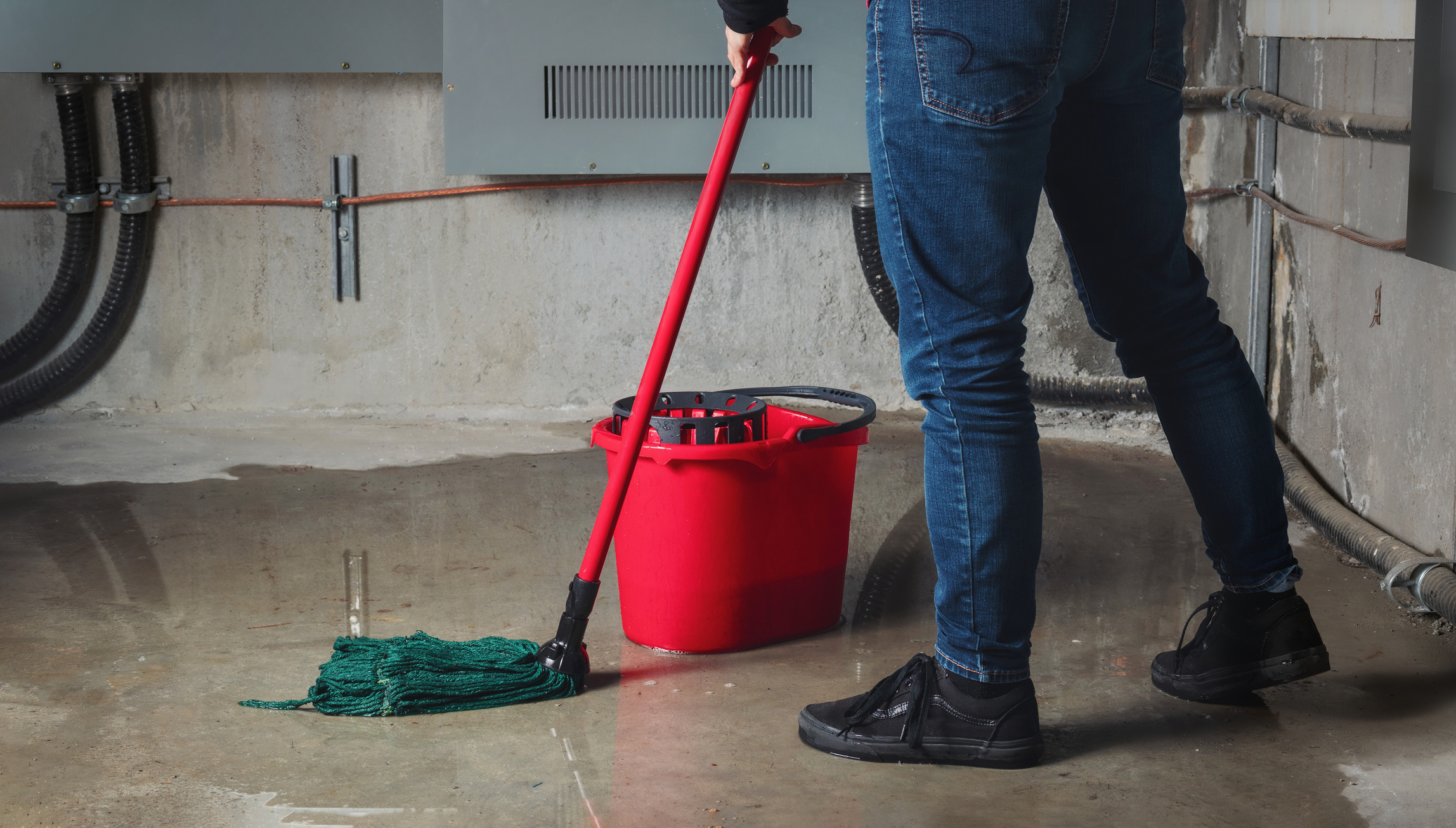
Walk down into your basement on a humid Alabama afternoon, and you’ll know something’s off before you even flip the light switch. The smell hits first. Then the clammy walls. Maybe a wet patch on the floor that wasn’t there last week. The question is: is your basement damp, or is it actually leaking, and does the difference matter?
The real answer is that it matters more than most homeowners realize. A damp basement and a leaking basement look nearly identical from the inside, but they have completely different causes and completely different fixes. Treating one like the other wastes money and lets the real problem keep running in the background. Here’s how to figure out which one you’re actually dealing with.
The Basement Briefing: What You Need to Know First
- Dampness and leaks look the same but come from opposite directions: one from inside the air, one from outside the wall.
- Alabama’s humidity alone can make a dry basement feel wet, but that doesn’t mean you can ignore it.
- The foil test is a simple, no-tool diagnostic that tells you exactly where your moisture is coming from.
- A dehumidifier fixes condensation, but it does nothing for a true water intrusion problem.
- Both issues cause mold, both get worse over time, and neither one resolves itself.
Condensation vs. Water Intrusion: Two Problems That Might Present Similarly
The difference comes down to direction. With condensation, water forms when warm, humid air enters the basement, hits cooler walls or floors, and moisture forms on the surface. Think of a cold glass of sweet tea on a summer porch. The glass isn’t leaking. It’s just cold in a humid environment.
Water intrusion is the opposite. The water is coming from outside: through cracks, through the cove joint where the wall meets the floor, through porous concrete under hydrostatic pressure, or through any gap the structure gives it. In Alabama, where red clay soil holds moisture and slowly releases it after every storm, this sustained pressure on foundation walls is extremely common.
Here’s why it matters so much to get this right:
- Condensation fix: improve ventilation, run a properly sized dehumidifier, seal air infiltration points
- Water intrusion fix: interior drainage systems, exterior waterproofing, crack injection, sump pump installation
- Using the wrong fix: a dehumidifier running in a leaking basement removes evidence, not the problem
The Foil Test: One Piece of Tape, One Clear Answer
This is the most useful thing you can do before calling anyone. No tools required. No expertise needed.
Here’s how it works:
- Cut a 12-inch square of aluminum foil
- Tape all four edges firmly to a damp section of your basement wall or floor
- Leave it in place for 24 to 48 hours, ideally through a rain event
- Peel it back and check which side is wet
Moisture on the room side of the foil = condensation. The water formed from humid air inside the space.
Moisture on the wall side of the foil = water intrusion. Water is moving through the structure from outside.
It’s genuinely that simple. One test, one answer. The EPA’s guidance on residential moisture sources reinforces that correctly identifying the moisture source is the essential first step before any remediation, because the wrong treatment doesn’t just fail, it can mask ongoing damage.
Pro Tip: Run this test during or right after a rainstorm for the clearest result. If the wall side is wet during dry weather, you may have a groundwater pressure issue rather than just rain-driven intrusion. That distinction matters for the fix.
Reading the Other Clues Your Basement Is Sending
The foil test gives you a definitive answer. But your basement is probably already leaving other clues that you need to know how to read.
Signs pointing to condensation
- Dampness is worse in summer and improves in winter or during dry spells
- Moisture appears uniformly across walls or windows — not in isolated spots
- No visible staining, mineral deposits, or watermarks at a consistent height
- The basement has little ventilation and no active dehumidification
- The musty smell comes and goes with the seasons
Signs pointing to water intrusion
- Efflorescence: that white, chalky powder on your walls isn’t a paint problem. It’s mineral deposits left behind by water moving through concrete. If you’re seeing it, water has been traveling through that wall for a while.
- Staining or tide marks at a consistent height along the wall
- Wet spots or puddles that appear during or right after rain, then dry up
- Dampness concentrated at corners, the cove joint, or near visible cracks
- Rust stains around floor drains or on metal hardware stored in the space
- A musty smell that gets noticeably worse after storms, not just in summer
If you’re seeing efflorescence, staining, or wet spots that correlate with rain, you have water intrusion. A dehumidifier is not the answer. The HUD Healthy Homes program consistently identifies uncontrolled moisture intrusion as one of the primary contributors to indoor air quality problems and structural deterioration in residential properties, and it starts in places exactly like a neglected basement wall.
What Happens When You Ignore Either One
Here’s the part that catches most homeowners off guard: both problems cause damage. They just damage different things on different timelines.
Ignored condensation leads to:
- Mold growth on walls, framing, and anything stored in the space
- Poor air quality throughout the home as basement air moves upward into living areas
- Wood rot in finished surfaces or structural framing over time
- A worsening problem as Alabama summers get longer and more humid
Ignored water intrusion leads to:
- Existing cracks begin widening as water opens pathways further with each rain cycle
- Hydrostatic pressure starts building on foundation walls, eventually causing bowing or structural movement
- Mold and wood rot are stacked on top of a structural problem
- Significantly higher repair costs the longer it runs unchecked
Water intrusion that goes unaddressed is one of the most direct paths to serious foundation damage and cracking, and if your basement leaks specifically during or after storms, poor exterior drainage is very often the upstream cause. Understanding how yard drainage connects to foundation health is worth a few minutes of your time before the next storm season.
The Right Fix Depends on Getting the Diagnosis Right
Once you know what you’re dealing with, the path forward is a lot clearer.
If it’s condensation
These are manageable fixes, some of which you can handle yourself:
- Run a properly sized dehumidifier, as undersized units run constantly and still can’t keep up
- Improve airflow with exhaust ventilation or open venting where possible
- Seal rim joists where warm exterior air is infiltrating the space
- Check that HVAC systems aren’t introducing humid air directly into the basement
If it’s water intrusion
This is where DIY hits its limits fast. Surface sealants painted on basement walls are largely ineffective against sustained hydrostatic pressure; they slow the visible symptom while the water keeps finding its way in. Hydraulic cement can address a single isolated crack point, but it doesn’t solve what’s driving the water there in the first place.
Professional solutions that actually address the source include:
- Interior drainage systems that intercept water before it causes damage and route it to a sump pump
- Sump pump installation to manage ongoing water collection and removal
- Crack injection repair for isolated entry points with structural epoxy or polyurethane
- Exterior waterproofing for cases where the source needs to be addressed at the foundation wall itself
The U.S. Department of Energy’s basement moisture guidance notes that the most effective long-term solutions combine air sealing, moisture control, and drainage management, not just one piece in isolation.
Pro Tip: If your dehumidifier fills up unusually fast, i.e., faster than it did last year or faster than the capacity suggests it should, that’s a reliable signal you’re dealing with intrusion, not just humidity. The dehumidifier is removing water that shouldn’t be in the air in the first place.
The Bottom Line on Basement Moisture in Alabama
Damp and leaking are not the same problem, and they don’t get the same solution. The foil test takes ten minutes and gives you a clear starting point. What you do with that answer, whether it’s a dehumidifier and some air sealing, or a professional waterproofing inspection, depends entirely on what you find. The one thing that’s guaranteed to make either problem worse is treating it like it might go away on its own.
Get a Free Basement Inspection From Alabama’s Waterproofing Experts
If the foil test pointed to intrusion, or if you’re still not sure what you’re dealing with, the next step is a professional set of eyes. BDry Alabama has been diagnosing and solving basement moisture problems across Central and North Alabama for over 65 years. No pressure, no guesswork, just honest answers and a plan built around what your home actually needs.
Call (205) 942-1976 or contact us online to schedule your free inspection today.