
Polyurethane Concrete Lifting in Alexander City, Alabama
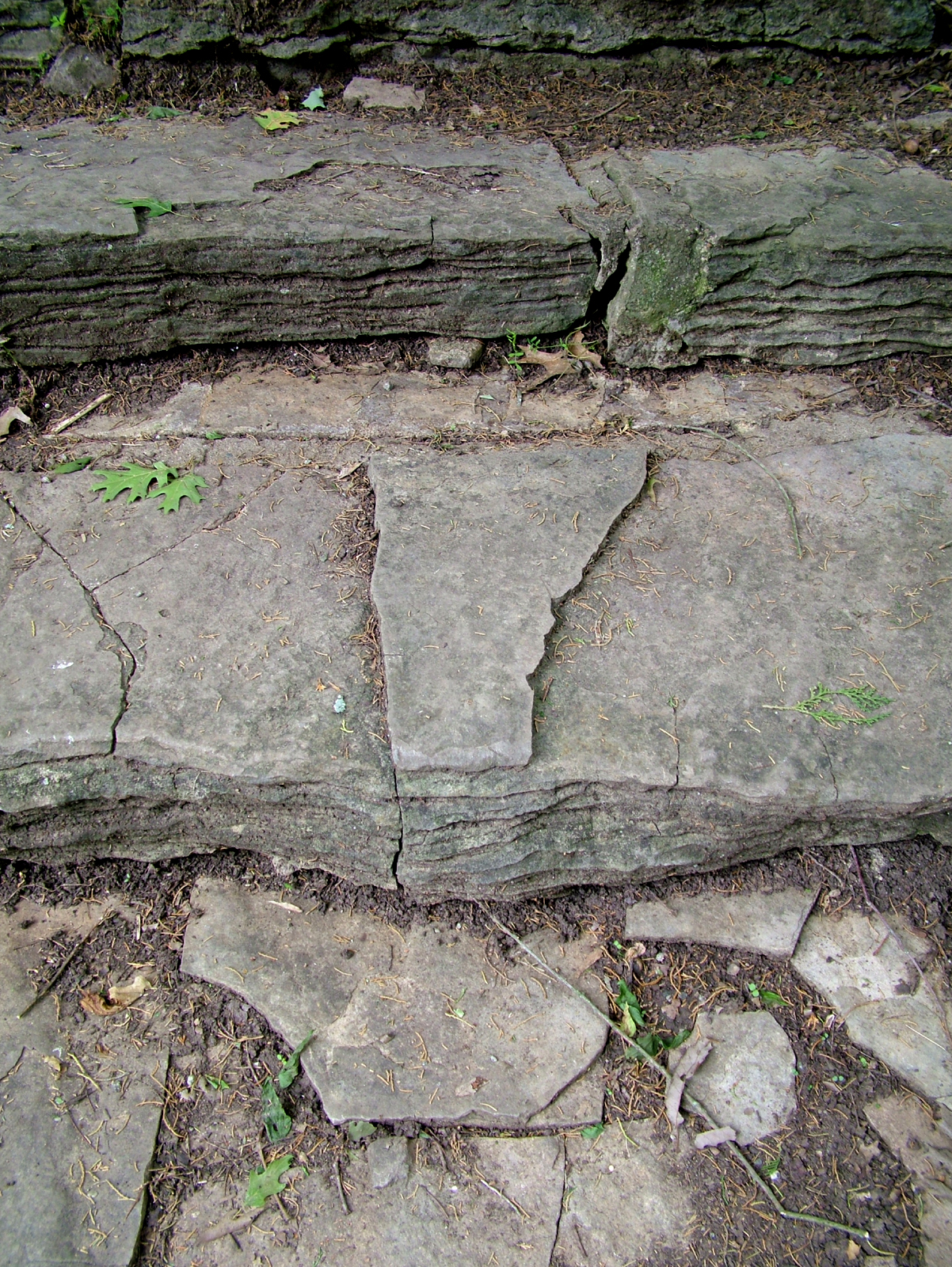
Uneven, sunken, or cracked concrete can affect your property’s safety, appearance, and drainage. BDry Alabama helps homeowners and property owners in Alexander City, Alabama, find practical solutions for damaged and settled concrete. From polyurethane concrete lifting and concrete leveling to concrete piers, new concrete slabs, and drainage improvements, we help you explore the right repair approach for your property.
Soil erosion, ground settlement, and water runoff can weaken the support beneath concrete, causing driveways, sidewalks, patios, and other surfaces to sink or crack. Our team evaluates the affected area, identifies potential contributing problems, and recommends a repair strategy to restore the surface and improve the conditions beneath it.
Damaged concrete doesn’t always require complete replacement. Polyurethane foam injection can lift settled slabs, fill voids beneath concrete, and improve support. For more extensive damage or underlying foundation and drainage concerns, other repair solutions may be appropriate. Contact BDry Alabama to schedule an evaluation and find out how we can help.
What Causes Concrete to Sink in Alexander City?
Concrete slabs rely on stable, properly prepared ground for support. When the soil beneath a slab changes, the concrete can settle, crack, or become uneven. Understanding the cause helps identify an appropriate repair strategy for properties in Alexander City, Alabama.
Soil Erosion
Water flowing beneath or around concrete can gradually carry soil away, leaving empty spaces beneath the slab. Without adequate support, the concrete may sink or develop uneven sections. Drainage problems and concentrated runoff can contribute to this process.
Polyurethane foam injection can help fill suitable voids beneath settled concrete. When water runoff contributes to the problem, drainage improvements may also help address the underlying cause.
Ground Settlement
Soil can compress or shift over time, particularly when the ground was not adequately compacted before the concrete was installed. As the supporting material settles, the slab above it may move downward, creating uneven surfaces and cracks.
Concrete lifting can restore the elevation of suitable slabs and improve support beneath them. More extensive support concerns may call for additional repair solutions, depending on the condition of the concrete and the underlying ground.
Moisture Fluctuations
Changes in soil moisture can affect the stability of the ground beneath concrete. Certain soils expand when wet and contract as they dry, potentially contributing to movement beneath slabs. These changes can affect driveways, patios, sidewalks, and other concrete surfaces.
Evaluating the concrete and surrounding conditions helps identify a suitable repair approach and determine whether additional drainage or support work is needed.
Poor Drainage
Water that collects beside or beneath a concrete slab can contribute to soil erosion and changes in ground support. Downspout discharge, surface runoff, and inadequate drainage can all contribute to settled concrete.
BDry Alabama can assess drainage-related concerns and help identify potential solutions. Depending on the property, repairs may involve lifting the affected slab, improving drainage, or addressing other contributing conditions.
Voids Beneath Concrete
A void is an empty space between a concrete slab and the material that supports it. Voids can develop when water washes away soil or when the ground beneath a slab settles.
Polyurethane foam expands beneath the concrete to fill suitable voids and help restore support. This process can lift settled sections and improve the stability of existing slabs. When the damage involves more than a loss of support, additional repair options can be considered.
Understanding what caused the concrete to sink is an important step toward resolving the problem. BDry Alabama can evaluate your property and help you determine the next steps.
Signs You Need Concrete Lifting
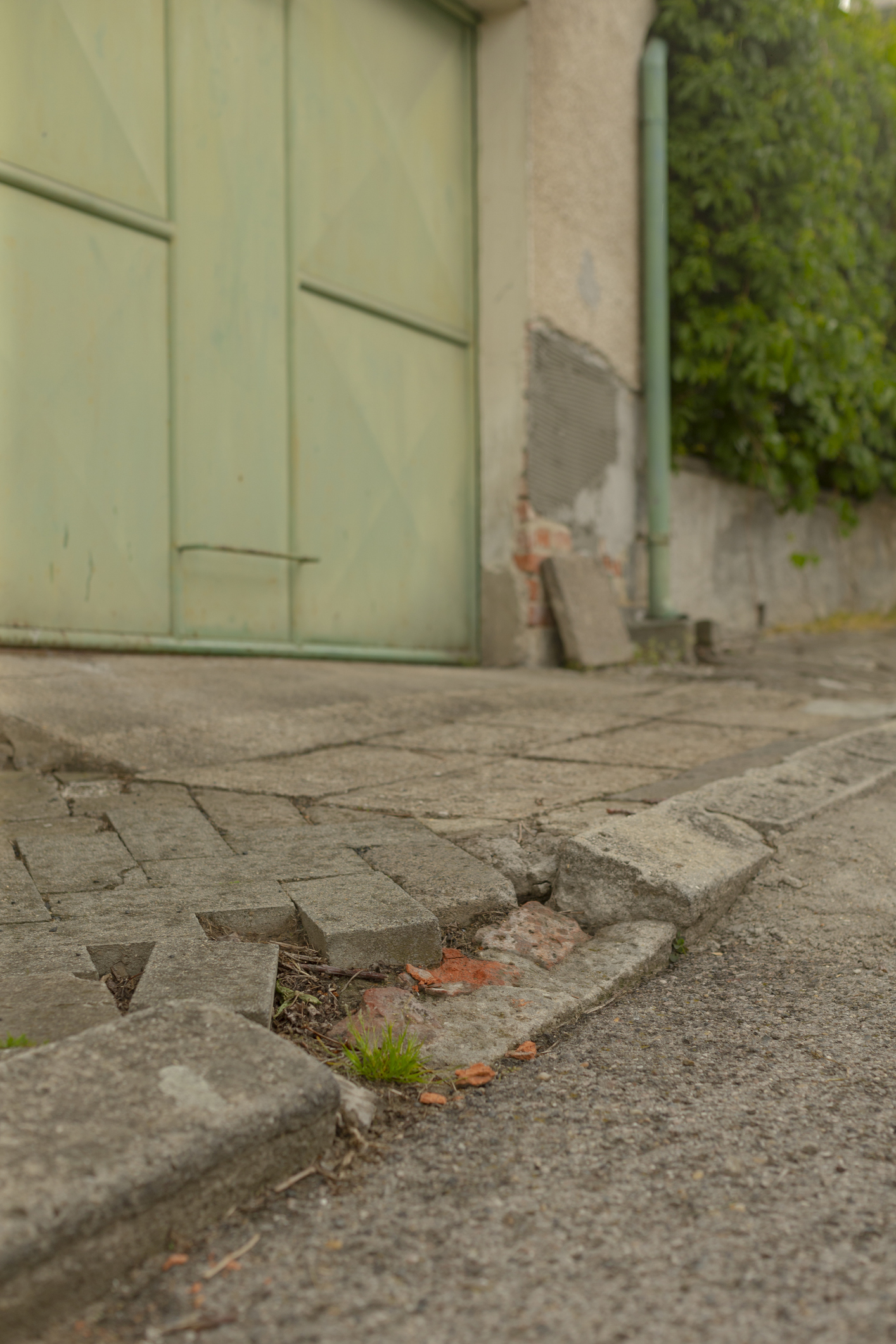
Concrete can settle unevenly as the soil beneath it shifts, compresses, or washes away. These changes can create uneven surfaces, drainage problems, and trip hazards around your property. Addressing these issues can help restore the usability and appearance of your concrete.
Common signs that your property may need concrete repair include:
- Sunken concrete slabs: A section of your driveway, sidewalk, or patio sits lower than the surrounding surface.
- Uneven walkways: Changes in elevation create tripping concerns or make walkways difficult to navigate.
- Gaps beneath concrete: Voids develop beneath a slab because of soil erosion, settlement, or water movement.
- Poor drainage: Sunken areas collect rainwater rather than directing it away from the property.
- Uneven driveway sections: Settled concrete creates an uneven transition between slabs or affects vehicle access.
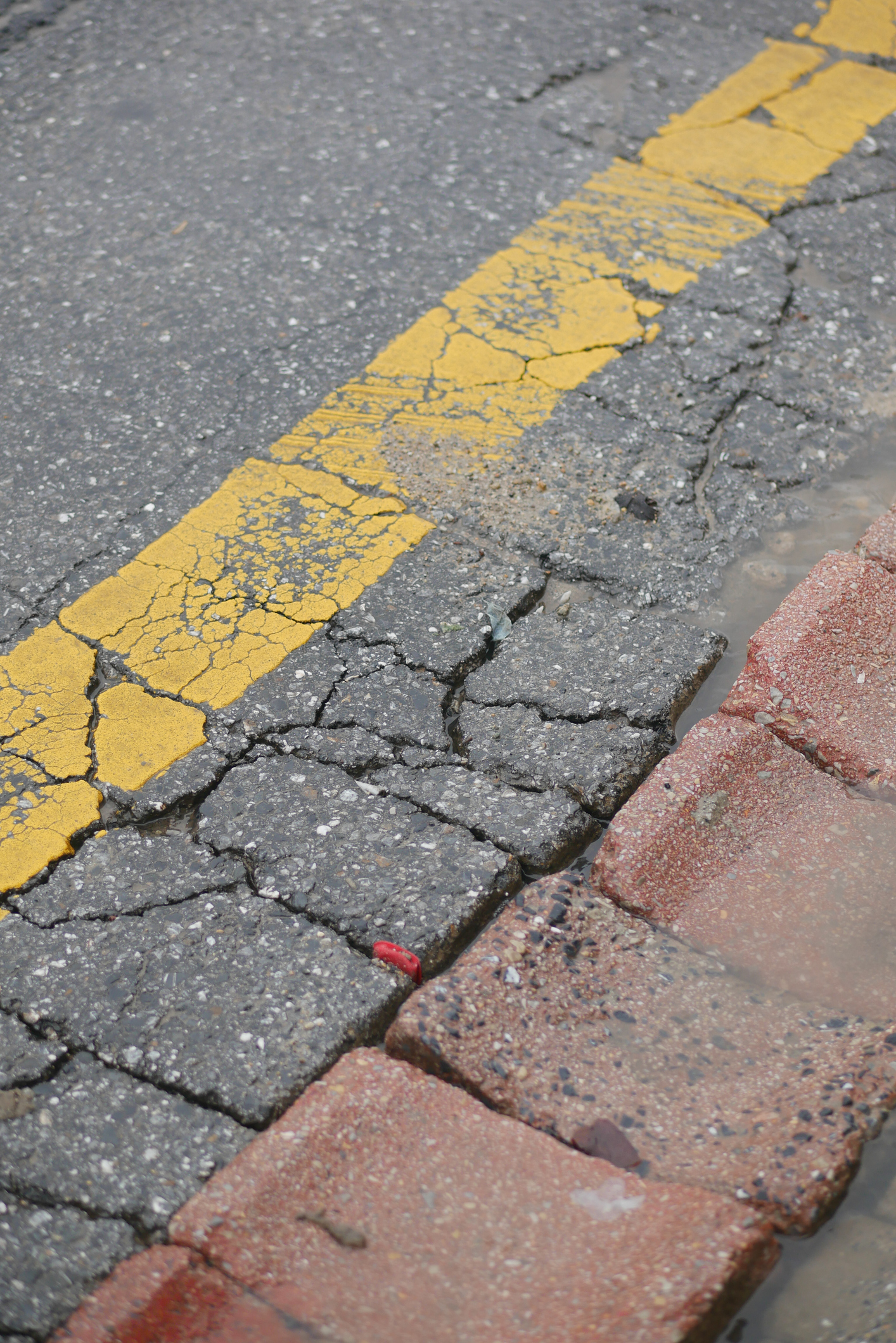
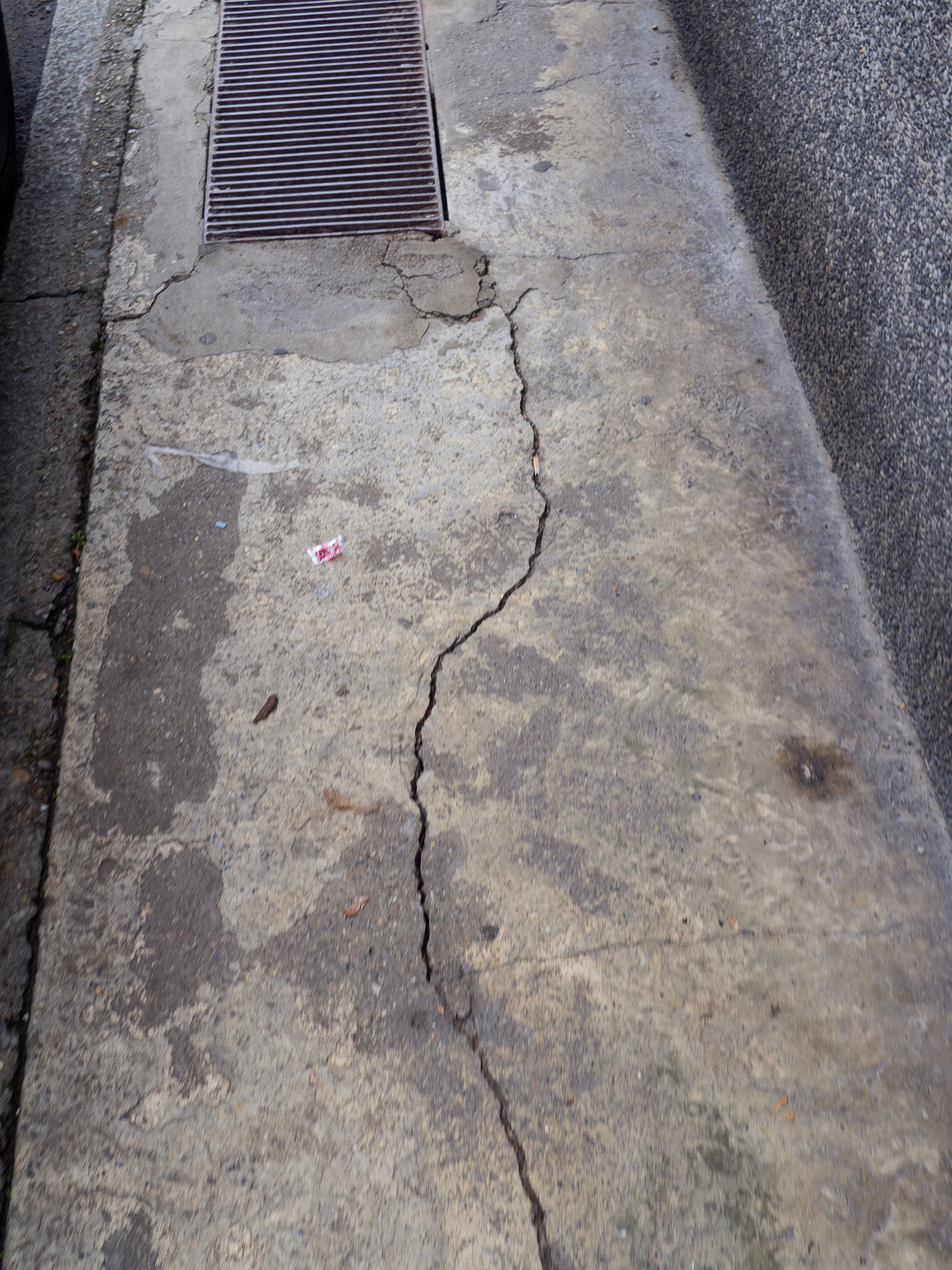
- Cracks associated with settlement: Cracks appear alongside sinking or uneven surfaces, suggesting a problem with the underlying support.
- Unstable-feeling slabs: A section of concrete moves or rocks under load because it lacks adequate support.
These signs are reasons to have your concrete evaluated. BDry Alabama can assess the affected area and help you explore the appropriate repair options. Depending on the damage, solutions may include polyurethane concrete lifting, additional structural support, new concrete installation, or drainage improvements.
Our Polyurethane Concrete Lifting Process
Polyurethane concrete lifting uses expanding foam injected through small holes drilled into an affected concrete slab. As the foam expands beneath the surface, it fills voids, supports the slab, and helps raise settled sections toward their intended elevation.
This process can restore more even surfaces while retaining existing concrete that is suitable for repair.
1. Evaluate the Concrete and Surrounding Area
We begin by assessing the affected concrete, including its elevation, visible cracks, surrounding surfaces, and the conditions around the work area. This evaluation helps identify the extent of the problem and the appropriate repair approach.
2. Identify Areas Requiring Support
Next, we examine the areas of settlement and look for signs of voids or inadequate support beneath the slab. The information gathered helps guide the repair plan and determine where lifting and stabilization work is needed.
3. Drill Small Access Holes
Small access holes are drilled through the concrete to allow precise foam injection beneath the slab. This approach limits the amount of drilling required and helps preserve the existing surface.
4. Inject Polyurethane Foam
Polyurethane foam is injected beneath the affected slab. As the material expands, it fills available voids and applies upward pressure against the concrete. This process lifts suitable settled sections and improves contact between the slab and its supporting material.
5. Lift and Stabilize the Slab
The injection process is carefully controlled to help raise the concrete toward the desired elevation. The expanding foam also provides support beneath areas where voids are present, helping create a more even and usable surface.
6. Review the Completed Work
After the lifting process, we review the repaired area to assess the results and determine whether the intended lifting and support objectives have been achieved. We can also discuss any additional work needed to address related concrete, support, or drainage concerns.
Every concrete repair starts with understanding the problem and identifying the right solution. Polyurethane foam injection is a practical option for many settled concrete slabs, while extensively damaged concrete or underlying support and drainage problems may call for a different approach. BDry Alabama can assess your concrete and help you move forward with a repair plan suited to your property.
Benefits of Polyurethane Foam Injection
Polyurethane foam injection offers a practical way to address settled concrete without automatically removing and replacing the entire slab. For suitable applications, the process can restore more even surfaces, fill voids beneath concrete, and reduce disruption to your property.
Polyurethane Concrete Lifting vs. Traditional Mudjacking
Polyurethane concrete lifting and traditional mudjacking are two methods used to raise settled concrete. Both involve injecting material beneath a slab, but they differ in the materials used, the size of the access holes, and the characteristics of the lifting process.
| Feature | Polyurethane Concrete Lifting | Traditional Mudjacking |
| Injection material | Expanding polyurethane foam | Cement-based slurry |
| Material weight | Generally lightweight | Generally heavier |
| Access holes | Typically smaller | Typically larger |
| Void filling | Expanding foam fills suitable voids | Slurry fills spaces beneath the slab |
| Common applications | Suitable slabs with settlement or voids | Suitable slabs requiring lifting with a cement-based material |
| Repair approach | Lifting and support through foam injection | Lifting and support through slurry injection |
Polyurethane foam injection is an option for many concrete leveling projects because it combines small access holes with lightweight material and void-filling capabilities. The appropriate method depends on the concrete and the repair requirements.
If your driveway, sidewalk, patio, or another concrete surface has settled, BDry Alabama can evaluate the affected area and help you understand your repair options.
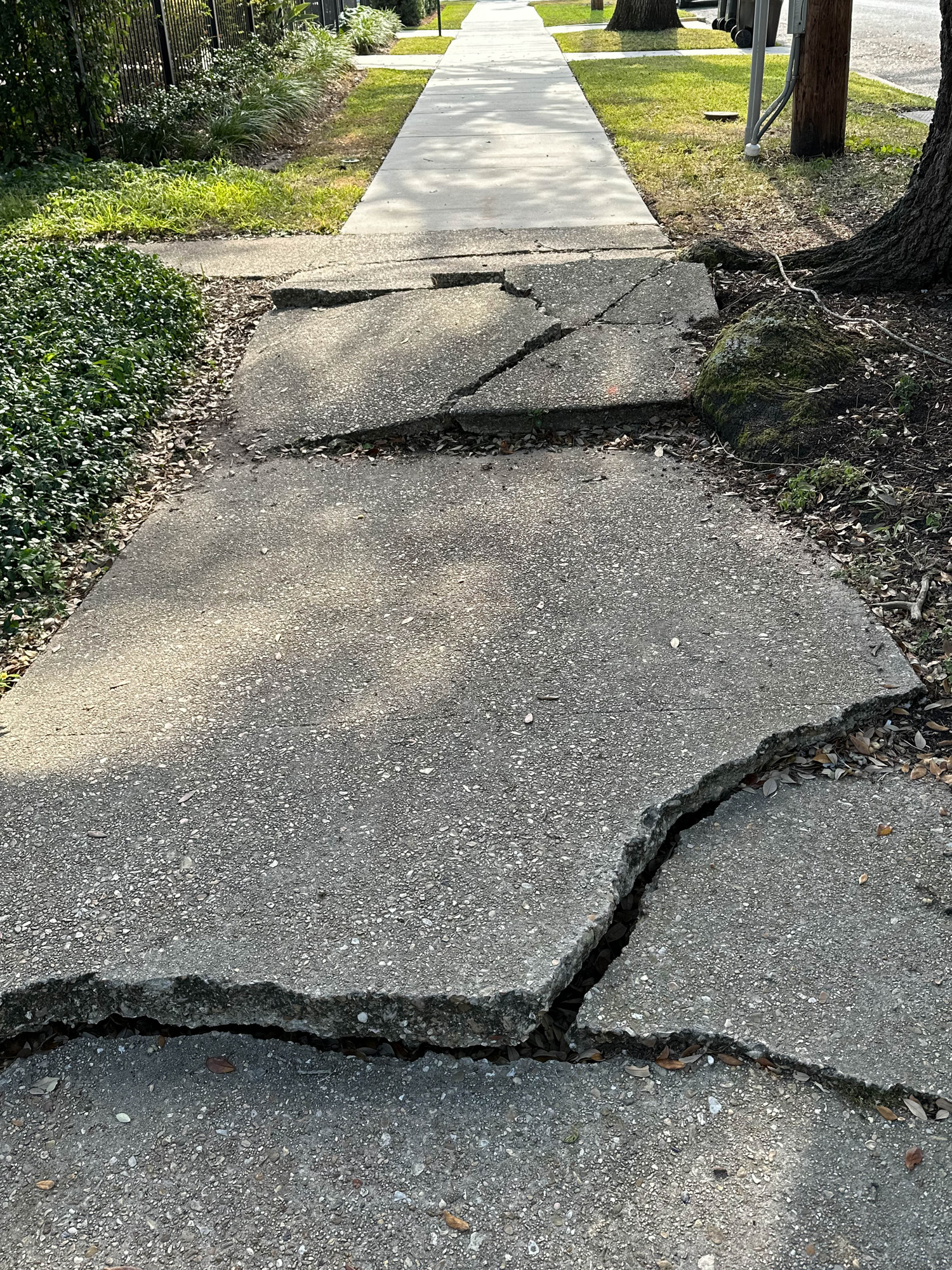
Concrete Surfaces We Can Evaluate
Settled concrete affects residential and commercial properties in several ways. BDry Alabama helps property owners in Alexander City explore solutions for uneven, sunken, and damaged concrete surfaces.
Our concrete repair services can address concerns involving:
- Driveway concrete lifting: Raise suitable settled driveway sections and improve surface levelness.
- Sidewalk concrete leveling: Address uneven walkway sections and help reduce trip hazards.
- Patio concrete lifting: Restore suitable settled patio slabs and improve the usability of outdoor spaces.
- Pool deck lifting: Evaluate uneven concrete around pools and identify appropriate repair options.
- Garage floor leveling: Address settled garage slabs and improve the condition of the concrete surface.
- Walkway repair: Help restore more even transitions along concrete paths and pedestrian areas.
- Commercial concrete surfaces: Evaluate suitable concrete areas around commercial properties, including walkways and other paved surfaces.
Polyurethane lifting can restore suitable existing slabs, while more extensive damage may call for new concrete installation or additional structural support. If water is contributing to the problem, drainage improvements can also be part of the repair strategy.
Contact BDry Alabama to discuss your concrete concerns and take the first step toward a solution.
Why Homeowners Choose Our Concrete Lifting Services
When concrete sinks, cracks, or becomes uneven, you need a clear path toward getting your property back in shape. BDry Alabama helps homeowners in Alexander City explore repair solutions based on the concrete damage, underlying support, and drainage conditions.
Solutions for Settled Concrete
Polyurethane foam injection can lift suitable concrete slabs, fill voids, and improve support beneath the surface. Our team can assess your driveway, sidewalk, patio, or other affected area and discuss the available repair options.
Multiple Repair Options
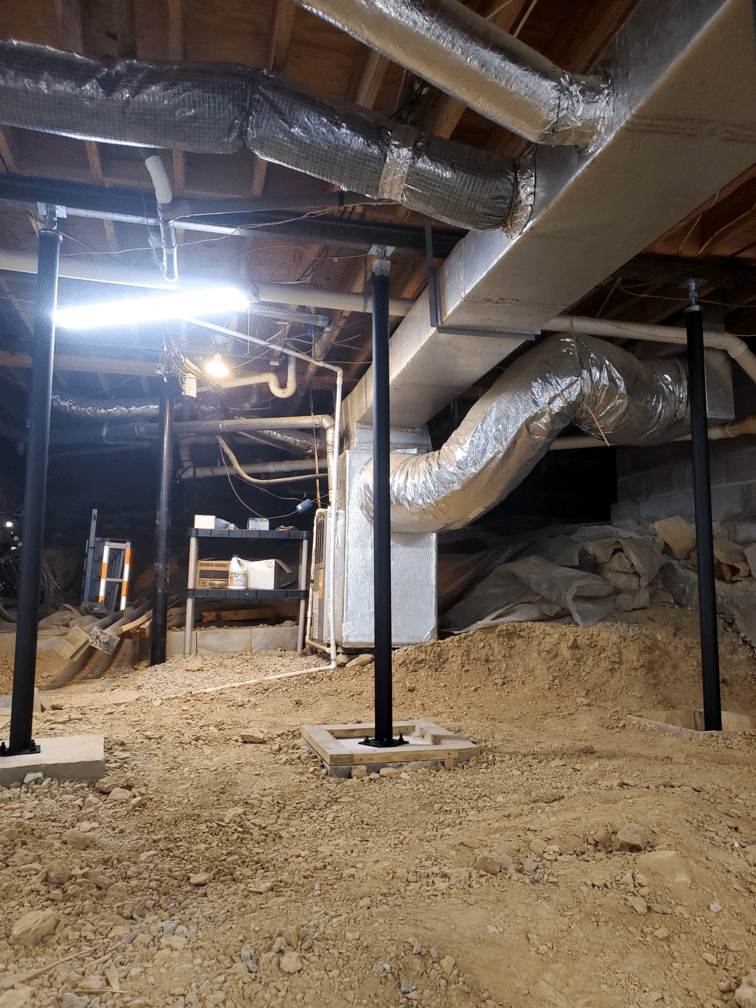
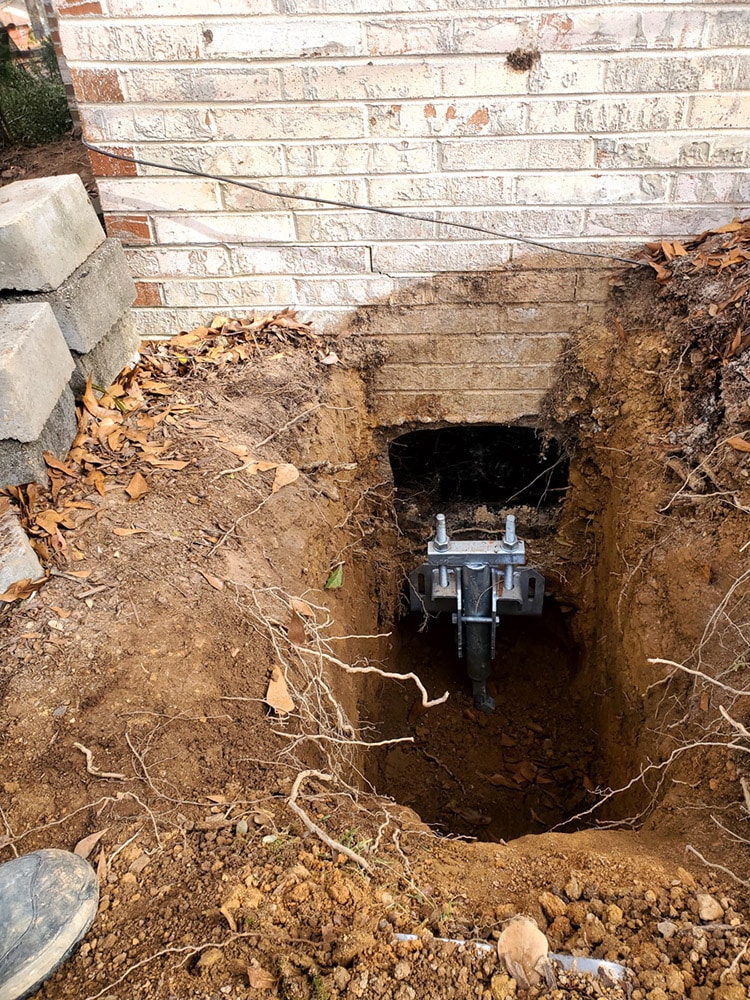
Not every concrete problem requires the same approach. Depending on the condition of the surface and the underlying issue, solutions may include polyurethane concrete lifting, concrete piers for additional support, new slab installation, or drainage improvements.
Preserve Existing Concrete Where Possible
Concrete lifting can restore suitable existing slabs without the demolition and replacement required for a new surface. When the concrete is too damaged to repair, replacement provides another option to consider.
Address Underlying Problems
Settled concrete can be associated with soil movement, voids, and water runoff. Identifying these contributing factors helps guide the repair strategy and determine whether additional support or drainage work is needed.
Clear Recommendations and Next Steps
We’ll evaluate your concrete concerns, explain the available repair approaches, and help you understand the next steps. You don’t need to determine the right repair method before contacting us. Our team can help you explore the options based on the condition of your property.
Frequently Asked Questions About Polyurethane Concrete Lifting in Alexander City, AL
Polyurethane concrete lifting is a repair method that uses expanding polyurethane foam to raise and support settled concrete slabs. Small access holes are drilled into the concrete, and the foam is injected beneath the surface. As it expands, the material fills suitable voids and applies upward pressure to lift the slab.
This method is commonly used for driveway lifting, sidewalk leveling, patio repair, and other concrete leveling applications. It can help restore the elevation and support of existing slabs without requiring complete replacement.
The cost of polyurethane concrete lifting depends on the size of the affected area, the extent of settlement, the condition of the concrete, site access, and the amount of foam required.
A small sidewalk repair may have different requirements from a large driveway or commercial concrete project. BDry Alabama can evaluate the affected area and discuss project-specific pricing and available repair options.
Polyurethane foam injection and traditional mudjacking both raise settled concrete, but they use different materials. Polyurethane foam is generally lighter than the cement-based slurry used in mudjacking and typically requires smaller access holes.
Foam also expands to fill suitable voids beneath concrete. The appropriate method depends on the slab, the underlying support, and the requirements of the repair. BDry Alabama can assess your property and help you understand which approach fits your project.
Many polyurethane concrete lifting projects can be completed efficiently because the foam cures quickly. The time required depends on the size of the affected area, the extent of settlement, access, and the repair work involved.
BDry Alabama can explain the expected project timeline and when you can return the repaired surface to normal use.
Polyurethane foam injection can lift settled concrete and fill voids beneath suitable slabs. When concrete is severely broken or the underlying problem requires a different approach, other solutions may be more appropriate.
BDry Alabama can evaluate the damage and help you explore options such as polyurethane lifting, concrete piers where appropriate, new concrete installation, or drainage improvements. Contact us to discuss your concrete concerns and find out how we can help.