
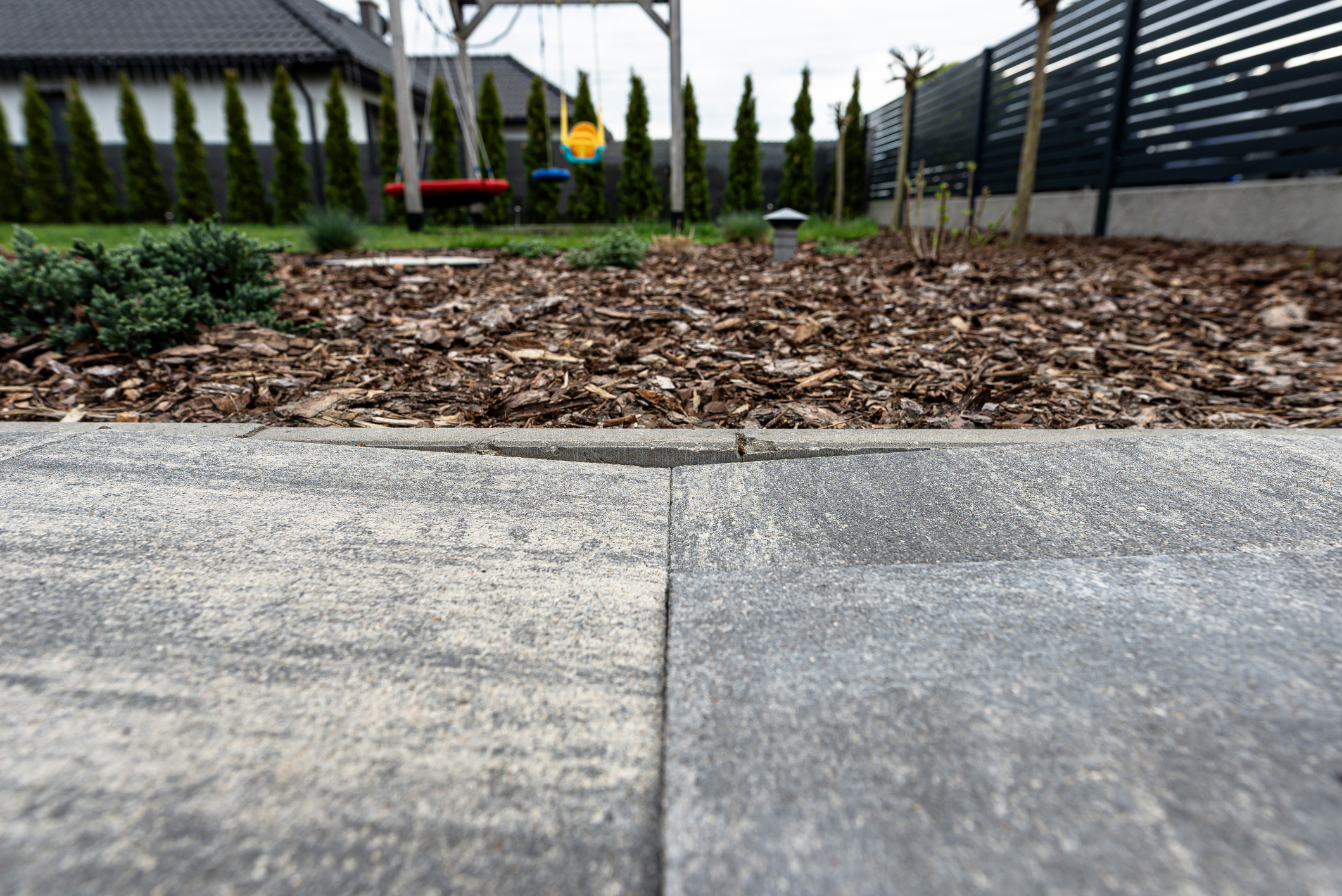
That section of the driveway has been settling since July. You’ve been stepping around it, watching the gap grow, and telling yourself you’ll deal with it in spring. Here’s the thing: waiting until spring is exactly what that slab is counting on. Fall is the best time to lift settled concrete in Alabama, not because it sounds like good advice, but because the soil, the weather, and the calendar all line up right now in ways they won’t again until next October.
A sinking driveway or cracked patio doesn’t always mean a demolition crew and a dumpster in your yard for a week. Poly lifting raises and stabilizes settled concrete using polyurethane foam injected beneath the slab, no jackhammers, no heavy equipment, no extended downtime. The question isn’t whether to fix it. It’s whether to fix it before winter makes it worse.
The Fall Concrete Report: What You Need to Know
- Fall is the ideal repair window because summer’s wet-dry soil cycle has stabilized, voids are clearly defined, and winter hasn’t had a chance to make everything worse.
- Alabama winters bring freeze-thaw cycles that widen existing cracks and deepen existing voids with every temperature swing.
- Poly lifting costs a fraction of full concrete replacement and wraps up in a single day.
- The concrete doesn’t need to be perfect to qualify for lifting; it needs to be structurally sound.
- Waiting until spring means giving winter four months to do what it does best: to settle concrete.
What’s Actually Causing Your Driveway or Patio to Sink
Concrete doesn’t sink on its own. Something beneath it moves, erodes, or compresses, and the slab follows gravity into the gap. In Alabama, the primary cause is the same wet-dry soil cycle that makes this state harder on concrete than most.
Summer storms saturate red clay soil, which then shrinks dramatically as it dries, leaving voids beneath slabs that were previously filled with solid ground. The USDA Web Soil Survey maps shrink-swell clay ratings across Alabama counties, and Jefferson, Shelby, and Madison counties all rate high, meaning Birmingham, Hoover, Huntsville, and surrounding communities deal with this every summer without exception.
Other common contributors:
- Erosion from storm runoff: heavy rain washes soil out from beneath driveways and patios, particularly where drainage is poor
- Misdirected downspouts: gutters emptying near a slab edge accelerate soil washout beneath the concrete
- Poor original compaction: slabs poured over insufficiently compacted fill settle as that fill continues to compress over time
- Tree roots: roots that once supported soil beneath a slab can leave voids as they contract or decay
Should You Replace That Sinking Driveway or Lift It?
This is the question most homeowners get wrong, usually because they assume a cracked or settled slab automatically needs replacement. It often doesn’t.
When Poly Lifting Is the Right Call
Poly lifting is the right answer when the concrete is structurally sound, even if it’s cracked, when the settlement is caused by voids or soil movement rather than catastrophic structural failure, and when the slab can realistically be raised back to its original position. It’s also the right call when you want the job done in one day without heavy equipment parked in your yard.
When Replacement Makes More Sense
Replacement is the appropriate choice when concrete is severely crumbling or spalling through the full depth across large areas, when the slab has shifted so far that it can’t be raised back to a usable position, or when underlying soil conditions are too unstable to support the foam. An honest evaluation tells you which situation applies. BDry Alabama will tell you straight and won’t recommend lifting a slab that actually needs to come out.
The cost reality is significant. Poly lifting typically runs a fraction of the full concrete replacement cost, completes in a single day, and requires no demolition, no disposal, and no waiting for new concrete to cure over multiple days. Interest-free financing is available for projects that need it.
Why Alabama Homeowners Are Lifting Concrete in Fall, Not Waiting for Spring
The timing argument has three distinct legs, and each one is worth understanding before you decide to table this conversation until March.
The Soil Has Finally Settled Down
Alabama summers put clay soil through a relentless cycle: intense storms saturate it, droughts shrink it, repeat. By the time fall arrives, that cycle slows. Soil moisture stabilizes. The voids beneath your settled slabs are at their most defined and most accessible, which means polyurethane foam fills them cleanly and holds precisely where it needs to.
Lifting concrete in spring means working on soil that’s still actively responding to late winter moisture. Lifting in the fall means working on soil that has settled into its off-season position. The repair is more predictable and more stable. Alabama’s summer storms are the primary creator of those voids in the first place, and fall is when the damage they left behind is most clearly readable.
Winter Makes Settled Concrete Worse, Not Better
This is the reason that should move the needle. Alabama winters are mild by northern standards, but they still bring freeze-thaw cycles, and those cycles are hard on concrete that’s already compromised. Water seeps into existing cracks and voids, freezes, expands, and forces those openings wider. When it thaws, the concrete settles back into a slightly worse position than before.
The American Concrete Institute documents that freeze-thaw cycling progressively degrades concrete with existing damage, and that the effect compounds over multiple cycles. A slab sitting one inch low in October may be two inches low by March, with cracks that have widened to a genuine safety concern.
Fall Weather Is the Right Condition for Poly Lifting
Polyurethane foam cures optimally in moderate temperatures. Alabama’s fall weather, typically in the 55 to 75 degree range, is the sweet spot for controlled expansion and precise lifting. Extreme summer heat affects foam behavior. Cold winter temperatures slow cure times and complicate the process. October and November deliver the conditions that make poly lifting fast, accurate, and same-day complete.
Pro Tip: If you’re hosting family for Thanksgiving or the holidays, a fall poly lifting repair means a level driveway and a safe patio before guests arrive, not a construction zone. Most projects are completed in a single day.
What Poly Lifting Actually Looks Like This Fall
The process is less invasive than most homeowners expect. Here’s what happens:
- A BDry technician evaluates the settled area and confirms poly lifting is appropriate
- Penny-sized holes are drilled into the slab at strategic injection points
- High-density polyurethane foam is injected beneath the concrete
- Foam expands, fills voids, and gently raises the slab, monitored in real time for precision
- Injection holes are patched, and the surface is restored
- The slab is ready for use the same day
No dumpster. No torn-out concrete. No week-long project. Just a level surface and a problem that’s no longer getting worse every time the temperature drops.
This Fall, Lift It Before Winter Decides for You
A sinking driveway or cracked patio isn’t a spring project. It’s a fall opportunity, and the window is open right now. The soil is stable, the weather is right, and winter hasn’t had four months to deepen the voids and widen the cracks.
BDry Alabama has been solving settled concrete problems across Central and North Alabama for over 65 years, and the BDry Elite maintenance plan keeps concrete and foundation systems monitored year-round so small problems don’t become expensive ones.
Schedule Your Fall Poly Lifting Inspection Before the Holidays
That settled slab isn’t getting flatter on its own, and every freeze-thaw cycle between now and March makes the fix more involved. BDry Alabama’s free poly lifting inspections give you a clear answer on whether your concrete qualifies, what the repair looks like, and what it costs, before winter adds to the bill.
Call (205) 942-1976 or contact us online to schedule your free fall inspection today.