
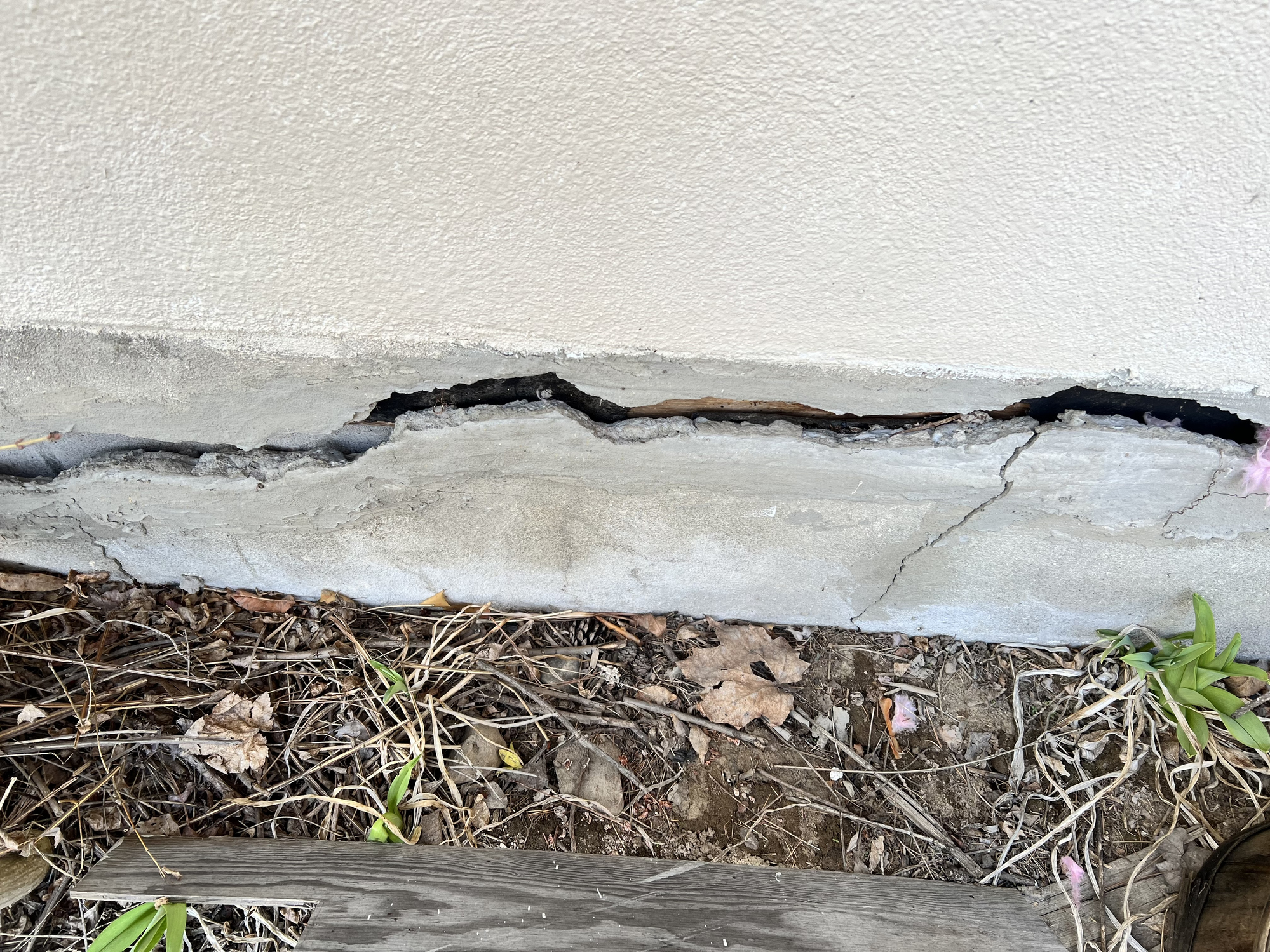
That slab in your driveway didn’t always sit like that. At some point, probably gradually and likely unnoticed until someone tripped on it, the concrete settled, shifted, and left you with an uneven surface and a mental estimate of what it’s going to cost to fix it. Here’s the part most homeowners don’t know: you may not need to replace it at all.
Poly lifting is a non-invasive concrete repair method that raises and stabilizes sunken slabs using high-density polyurethane foam, meaning no jackhammers, no heavy equipment, and no week-long project. In Alabama, where clay soil shifts with every rain cycle and voids form beneath concrete regularly, it’s become one of the most practical and cost-effective fixes available.
Here’s exactly how it works, where it applies, and how to know if it’s the right call for your home.
The Ground-Level Breakdown: What You Need to Know
- Poly lifting injects expanding polyurethane foam beneath a settled slab, raising it back to level without removing it.
- It cures fast — most surfaces are ready to use the same day.
- It’s more affordable than full concrete replacement and less disruptive than mudjacking.
- Alabama’s shifting clay soil creates the exact conditions poly lifting was built for.
- Not every sunken slab qualifies — the concrete itself needs to be in reasonable condition.
Why Concrete Sinks in Alabama in the First Place
Concrete doesn’t sink on its own. Something beneath it moves, erodes, or compresses, and the slab follows gravity. In Alabama, the primary culprit is the expansive red clay soil that covers most of the state. It swells when it’s wet, contracts when it dries, and repeats that cycle through every storm season. Over time, that movement creates voids, i.e., empty spaces beneath the slab where soil once was.
Water plays a supporting role, too. Poor drainage, misdirected downspouts, and erosion from heavy rain wash soil away from beneath driveways, patios, and sidewalks. Once that support is gone, the concrete above it settles into the gap. It’s just physics, and it happens to Alabama homeowners constantly.
If you’ve noticed water pooling near your foundation or against exterior slabs, that’s often the same drainage problem feeding the settlement you’re seeing in the concrete above it.
What Is Poly Lifting and How Does It Actually Work?
Poly lifting — also called polyurethane foam lifting or slab lifting — works by injecting high-density foam beneath a settled concrete slab through small, penny-sized holes drilled in the surface. As the foam expands, it fills the voids beneath the slab and gently pushes the concrete back toward its original position.
The process is controlled and precise. Technicians monitor the lift in real time, making small adjustments to achieve an even, stable surface without overcorrecting. Once the foam cures, which happens quickly, the injection holes are sealed, and the surface is ready to use. The whole process typically wraps up in a single day.
Here’s the step-by-step:
- The settled area is evaluated to confirm poly lifting is appropriate
- Small injection holes are drilled into the slab at strategic points
- High-density polyurethane foam is injected beneath the concrete
- The expanding foam fills voids and gradually lifts the slab to level
- Technicians monitor and adjust the lift for precision
- Injection holes are patched, and the surface is restored
The American Concrete Institute recognizes polyurethane injection as an established method for slab stabilization, meaning it’s not a workaround; it’s an engineered solution.
Poly Lifting vs. Mudjacking vs. Full Replacement
If you’ve looked into sunken concrete repair before, you’ve probably encountered mudjacking, the older method of pumping a heavy cement-sand slurry beneath a slab to lift it. Poly lifting does the same job with a lighter, faster, more durable material.
Here’s how the three main options stack up:
Poly Lifting
- Lightweight foam adds minimal stress to already-compromised soil
- Penny-sized injection holes vs. larger mudjacking ports
- Cures in minutes — usable same day
- Water-resistant and long-lasting foam does not wash away or break down with normal groundwater exposure
- Best for: most residential slab settlement where concrete is structurally intact
Mudjacking
- Uses heavy slurry that adds significant weight to unstable soil
- Larger holes, longer cure time
- Effective but slower and more disruptive
- Best for: large commercial applications where material volume matters
Full Concrete Replacement
- Removes and pours new concrete — solves the surface but not always the underlying void or soil issue
- Significantly more expensive and time-consuming
- Best for: severely cracked, crumbling, or structurally compromised slabs that can’t be saved
The honest answer to which is best: if your slab is cracked but structurally sound, poly lifting almost always makes more financial and practical sense than replacement.
The Federal Highway Administration has documented polyurethane foam injection as a proven slab-stabilization technique — it’s been used in infrastructure applications for decades before becoming a residential solution.
Where Poly Lifting Works and Where It Doesn’t
Poly lifting is effective across a wide range of residential concrete applications:
- Driveways and sidewalks — the most common application; uneven sections become trip hazards fast
- Patios and pool decks — outdoor slabs settle when soil washes out beneath them
- Garage floors — interior slab dipping or sloping often signals voids below
- Interior concrete slabs — settlement inside the home may point to broader foundation repair needs worth evaluating alongside slab work
Where it doesn’t work: severely shattered concrete, slabs with significant structural cracking that runs through the full depth, or situations where the underlying soil issue is too severe to stabilize with foam alone. In those cases, a professional evaluation will tell you exactly what you’re dealing with — and what the right fix actually is.
Pro Tip: If your interior slab is settling, that’s worth a broader conversation about what’s happening with your foundation overall. A foundation scan can tell you whether you’re looking at isolated slab settlement or something that involves the structure beneath it.
Is Poly Lifting Permanent? What to Expect Long-Term
This is the question every homeowner asks, and it deserves a straight answer. The polyurethane foam used in poly lifting is water-resistant, lightweight, and designed to maintain its structure over time. Once cured, it doesn’t dissolve, compress, or wash away under normal groundwater conditions.
That said, poly lifting addresses the symptom — the void — not always the root cause. If poor drainage continues directing water beneath a slab, new voids can form over time. That’s why a good poly lifting assessment includes looking at what caused the settlement, not just lifting what sank. Pairing slab repair with exterior drainage improvements or erosion control gives the repair the best chance of lasting.
The Bottom Line on Poly Lifting for Alabama Homeowners
Sunken concrete is fixable, and in most cases, it doesn’t require demolition, replacement, or a week of disruption to your driveway. Poly lifting is a fast, precise, and proven solution that works exceptionally well in Alabama’s soil conditions. The key is getting the right evaluation upfront so you know whether you’re a good candidate and whether there’s an underlying drainage or foundation issue that needs to be part of the plan.
BDry Alabama has been solving exactly these problems across Central and North Alabama for over 65 years — from Birmingham and Hoover to Huntsville, Tuscaloosa, and everywhere in between. If your concrete is sinking, we’ll tell you straight what’s causing it, whether poly lifting is the right fix, and what it takes to make it last.
Ready to Lift It, Level It, and Leave It Clean? Schedule Your Poly Lifting Inspection Today
That uneven slab isn’t getting flatter on its own, and every season Alabama’s soil shifts, the void beneath it gets a little bigger. BDry Alabama’s poly lifting inspections are fast, free, and built around giving you a real answer, not a sales pitch. Contact us online or give us a call to schedule yours.
Call (205) 942-1976 or book your inspection online today.