
Every home handles water, soil, and humidity differently, especially in Alabama. That is why BDry offers residential services built to protect your foundation, basement, crawl space, and yard from the issues that cause long-term damage.
From sump pump installation and crawl space encapsulation to exterior drainage, dehumidification, and gutter guards, our solutions stop problems at the source and keep your home stable, dry, and comfortable year-round.

Foundation Repair & Waterproofing Services for Alabama Homes
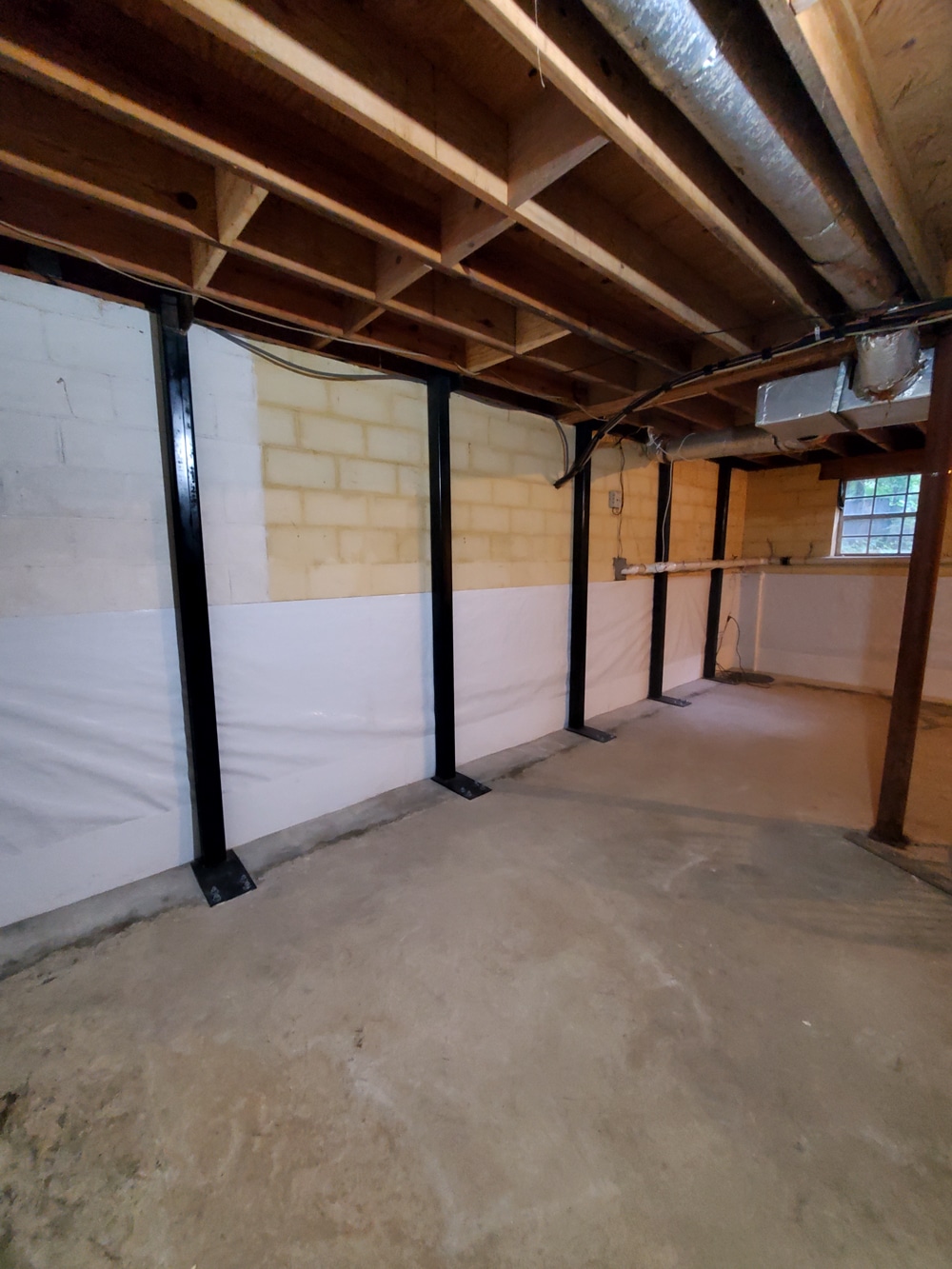
Foundation Repair
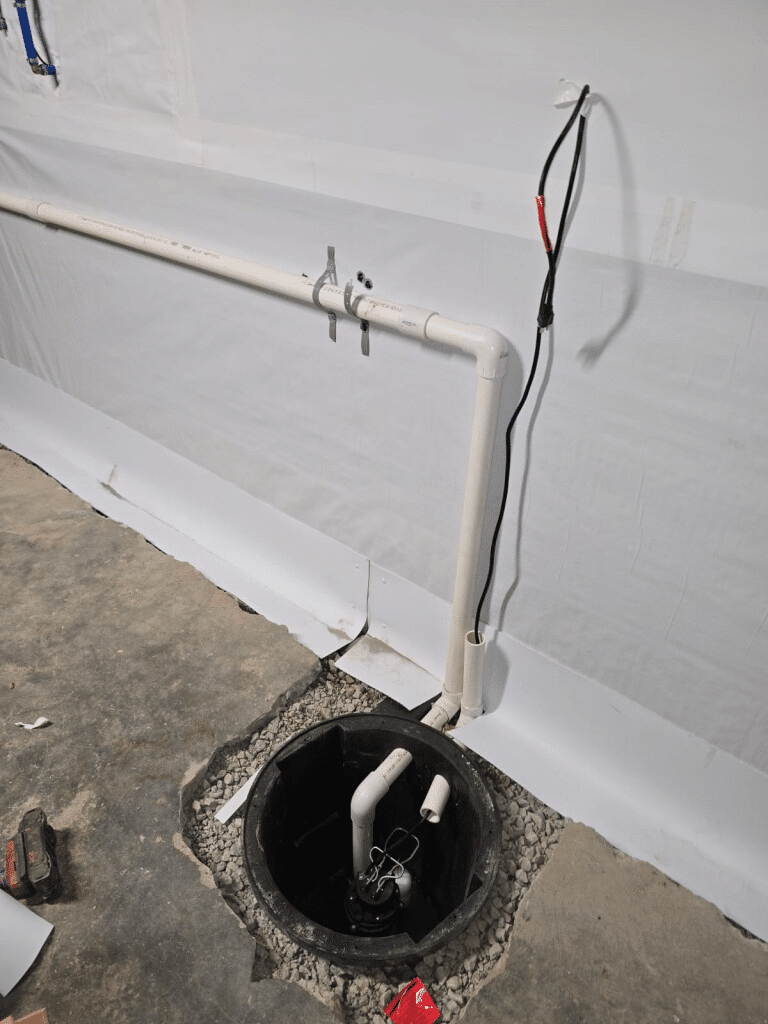
Sump Pump Installation
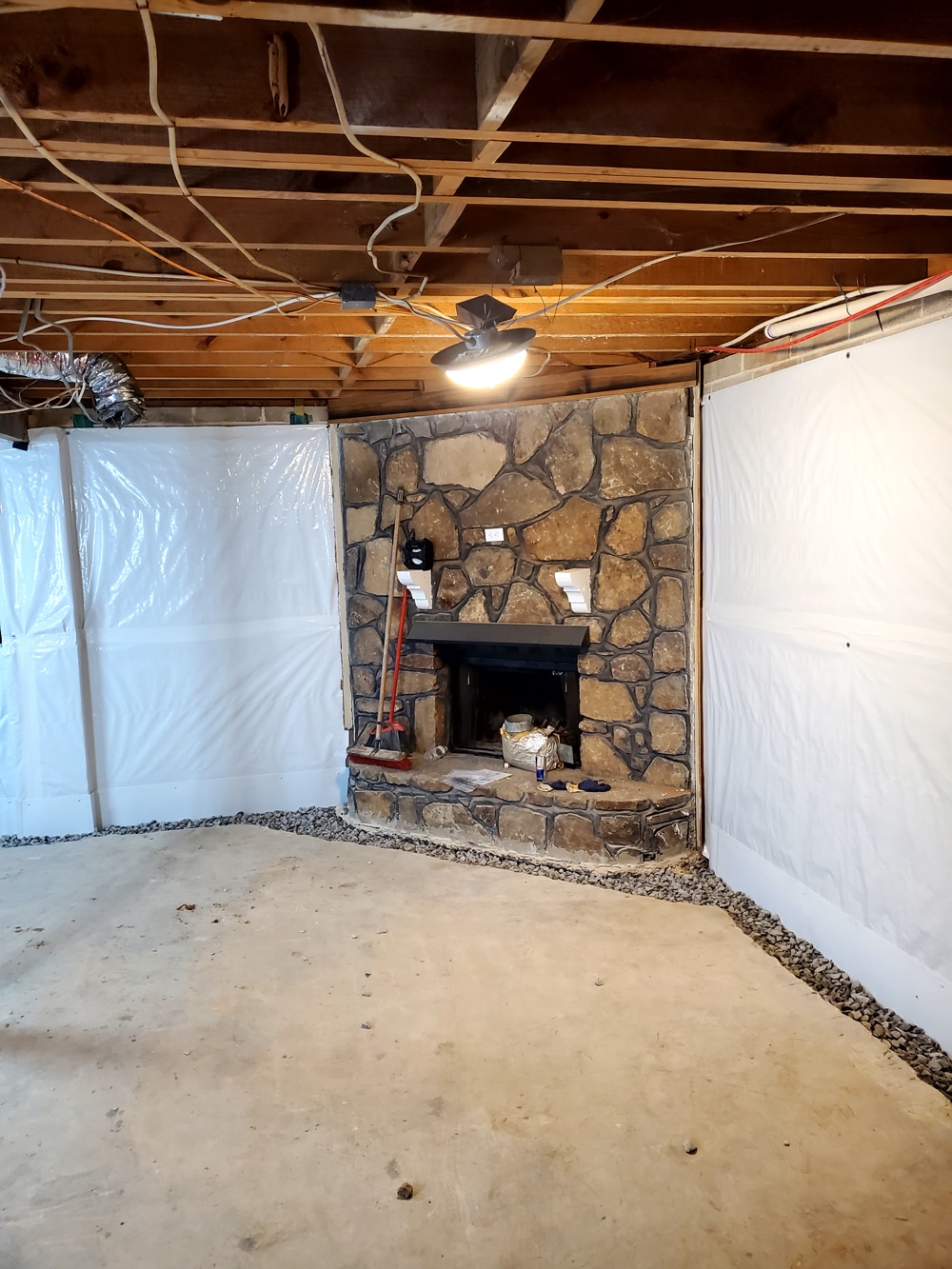
Waterproofing
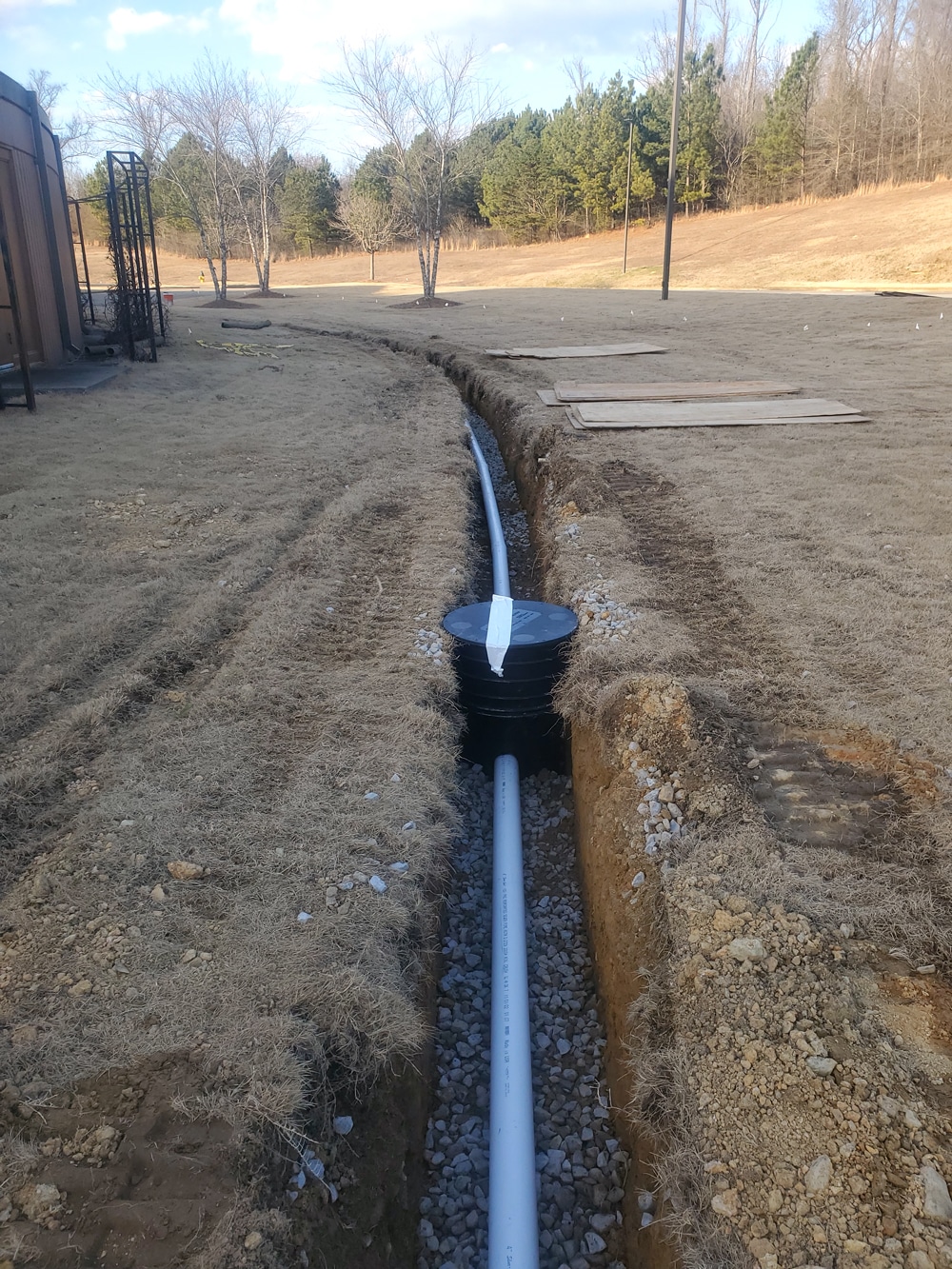
Exterior Drainage
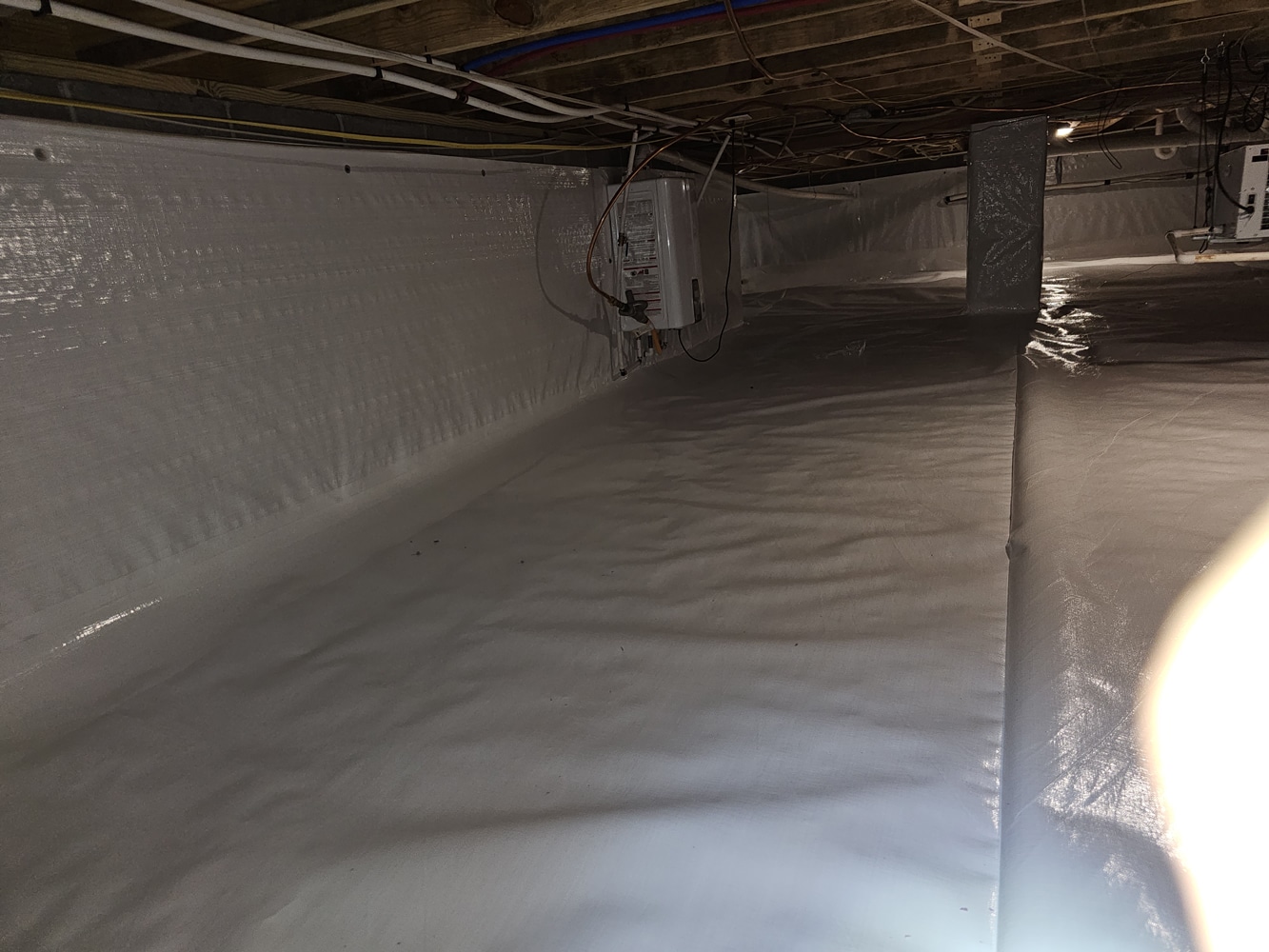
Humidity Control
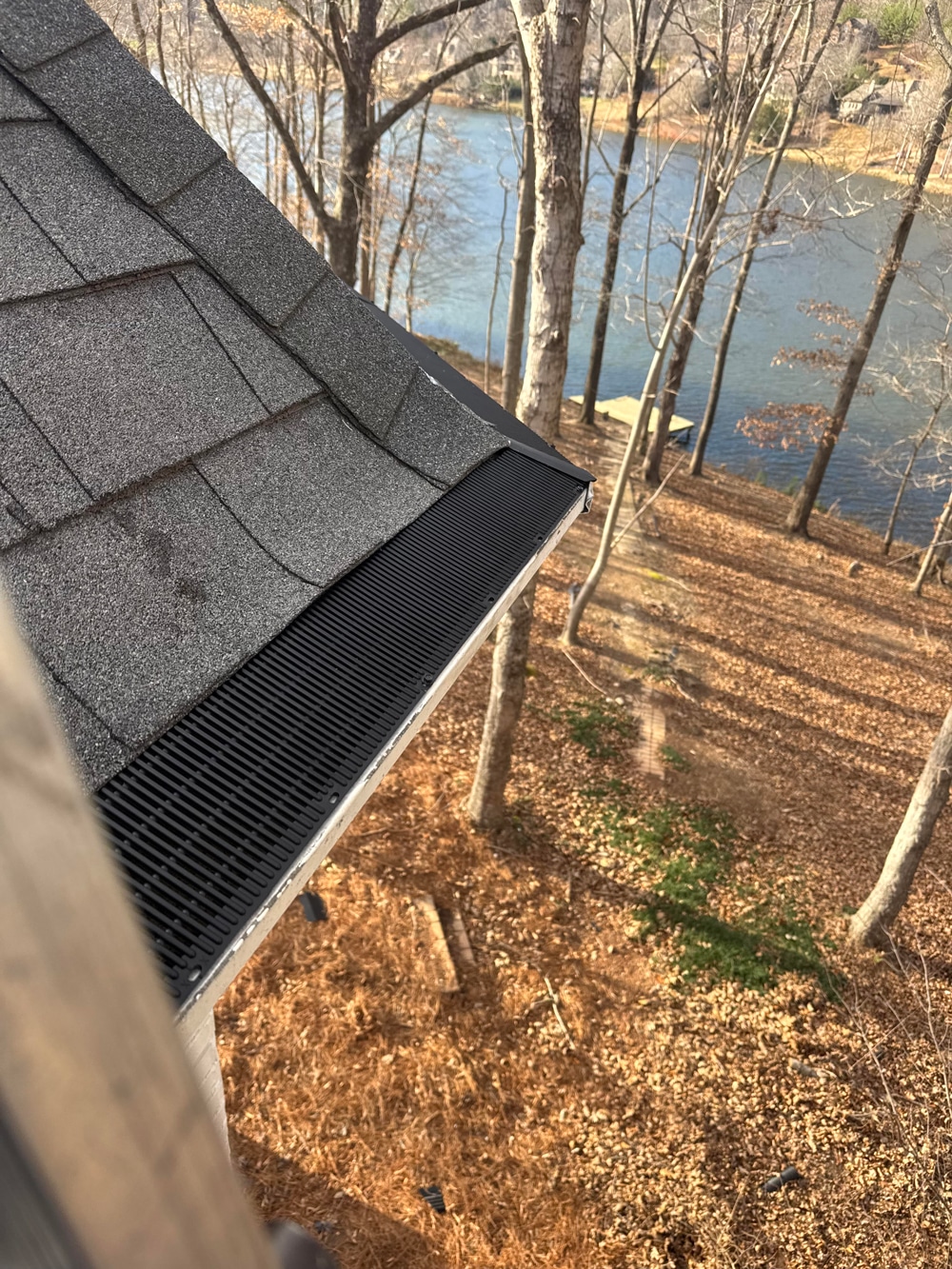
Gutter Installation & Guards
Residential Foundation Repair & Waterproofing FAQs
Most homeowners first notice small changes that feel easy to ignore, like a new crack, a door that sticks, or dampness that shows up after storms. In Alabama, shifting soil and heavy rain can make these issues more common, especially around basements, crawl spaces, and foundation walls. If problems keep returning or seem to be spreading, it usually means the home needs more than a quick patch.
A professional inspection can confirm if the issue is coming from settlement, water pressure, humidity, poor drainage, or a combination. The right solution might involve foundation repair, basement waterproofing, crawl space encapsulation, sump pump support, or exterior drainage, depending on where the problem starts and how the home is built.
Basement waterproofing and exterior drainage both help keep your home dry, but they work in different ways and solve different parts of the problem.
Common differences include:
- Basement waterproofing manages water that is already pushing into the basement through walls, seams, or floors
- Exterior drainage helps prevent water buildup by redirecting it away from the home before it reaches the foundation
- Basement systems often include interior drainage, sump pumps, and wall sealing
- Drainage solutions may include French drains, grading improvements, erosion control, and dry creek beds
- Many homes need both when water pressure and poor runoff work together
The best approach depends on where water is collecting and how it is entering the home. A proper evaluation can confirm whether the issue starts inside, outside, or in both places.
Yes, crawl space encapsulation can play a major role in preventing moisture problems that affect both the structure and the comfort of your home. When crawl spaces stay damp, the humidity can lead to wood rot, musty odors, insulation issues, and long-term weakening of supports beneath the floor. Encapsulation helps seal the space, control moisture, and reduce the conditions that lead to damage over time.
Encapsulation is even more effective when paired with moisture control, dehumidification, and proper drainage outside the home. That way, the crawl space stays dry from both directions, and the foundation has a more stable environment around it year-round.
A sump pump is often part of a waterproofing system, but not every home has one. Some basements can manage water with drainage and sealing alone, while others need active water removal.
You may still need a sump pump if:
- Water collects during storms or heavy rain
- Your basement sits below grade where water pressure builds
- The home is in a low-lying area or near groundwater flow
- You have recurring seepage along basement walls or floor seams
- Your drainage system needs a discharge point to move water away
If your home already has waterproofing, sump pump installation or sump pump maintenance can help keep the entire system working as designed, especially during rainy seasons.
Gutters and grading control where water goes when it leaves your roof, and that matters more than most people realize. If gutters overflow or downspouts dump water too close to the foundation, the soil becomes saturated, erosion becomes more likely, and pressure builds against basement and foundation walls. Over time, that can lead to cracks, seepage, crawl space dampness, and drainage problems that keep coming back.
Gutter installation and guards are often a simple way to reduce water buildup before it turns into a bigger issue. When combined with exterior drainage and moisture control, gutters and grading help protect your home from the top down and keep water moving away from the foundation where it belongs.